A clear glass dish looks equally at home in the oven and on the table, which is why it ends up holding casseroles, pies and leftovers. That versatility is also the problem: glass conducts heat poorly, expands when warm and cannot stretch, so uneven heating becomes stress, and stress shatters dishes.
Glassware is oven safe only when the piece carries an oven mark with a temperature limit, or when you can confirm it is borosilicate or tempered soda-lime glass and keep it within that limit without sudden temperature change. A thick wall or an unmarked “heat resistant” claim proves nothing: most drinking glasses and storage jars are untempered soda-lime, which can fail at temperatures a domestic oven reaches within minutes.
The checks below are ordered by how quickly they settle the question.
What “Oven Safe” Really Certifies
An oven-safe marking certifies three things: that the composition survives the rated temperature, that the shape spreads heat without concentrating stress, and that every attached part can take the same heat. It does not certify that the piece survives rapid temperature change, or that it can touch flame.
Most failures happen well inside the rated temperature: a dish happy at 230°C cracks at 180°C if it enters from a 4°C refrigerator. The rating describes a steady state, and cooking rarely is one.
The Four Checks That Answer the Question in Under a Minute
Turn the piece over, find the mark, identify the material, examine the construction and inspect the edges. Those four checks settle the question for almost every unlabelled piece.
Check the base for a mark and a number
Most oven-safe glass carries a small moulded mark: a stylised oven or dish outline, often with wavy heat lines and a number. That number is a ceiling, not a suggestion, in Celsius on European goods and Fahrenheit on North American ones. Waves without a number mean moderate heat only, roughly 175°C to 200°C. The microwave symbol says nothing about oven heat, and is the most common cause of mistakes.
Identify the glass type
Material is the strongest evidence when the base is blank. Laboratory-style jugs, thick-rimmed bakeware and roasting dishes are usually borosilicate or tempered soda-lime; drinking glasses, candle jars and storage jars are usually untempered, with no real shock resistance.
Examine the construction
Rounded internal corners spread stress; sharp ones concentrate it, which is why square dishes fail at the corners first. Metallic rims and fired-on decals expand at a different rate from the glass.
Inspect for damage
A chip, a hairline crack beside a handle, a deep scratch: each is a stress concentrator. Glass does not heal, and old damage can propagate the first time the piece is heated quickly.
How to Tell If Glass Is Oven Safe Without a Symbol
Without a mark you cannot confirm oven safety, only reduce the risk. Treat an unmarked piece as not oven safe; if you test it, do so gradually, with water in the dish, from a cold oven.
Infer from material and provenance
Provenance beats appearance. A piece sold with a bakeware set or as oven-to-table ware was designed for heat; one that held jam or arrived with a candle in it was not.
Run a stepped heat test
This is controlled escalation, not proof. Stop at the first sign of trouble.
- Fill the dish halfway with room-temperature water to buffer the walls.
- Place it in a cold oven, then set the oven to 150°C (300°F). Never test in a preheated oven.
- Hold fifteen minutes, watching for a tick, a pop or a new crack.
- Raise it by 25°C (about 50°F), hold ten minutes, and repeat up to your cooking temperature.
- Switch off and leave the dish inside until it cools.
Know when to stop testing
A passed test means one piece survived one ramp on one day. It says nothing about behaviour after fifty cycles, so keep unmarked dishes away from high-fat baking, where surfaces run hotter than the setting.
The Three Glass Types That Decide the Answer
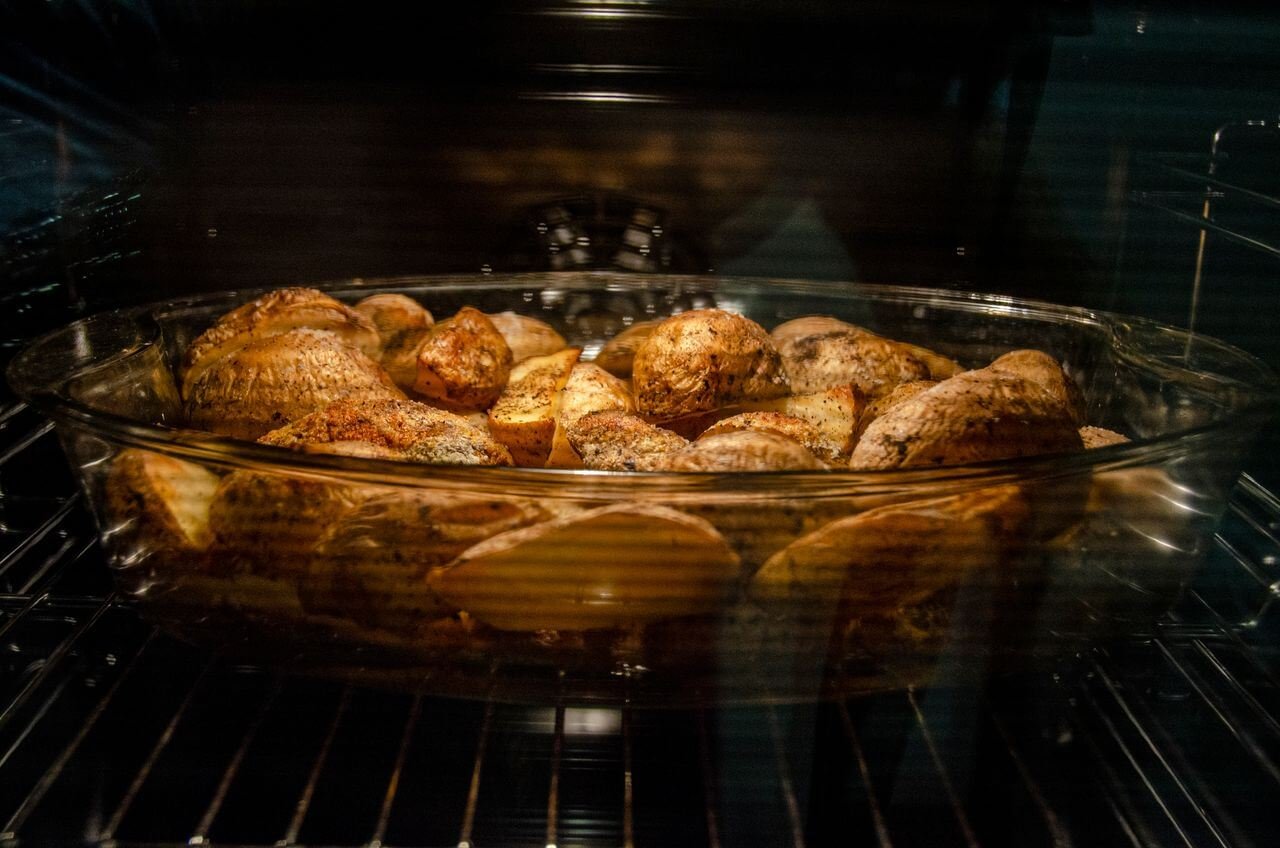
Nearly all domestic glassware falls into three families, separated by roughly an order of magnitude in shock tolerance. Untempered soda-lime should stay out of the oven, tempered soda-lime is rated for ordinary baking, and borosilicate takes the widest swings and the highest sustained heat.
The controlling number is the coefficient of thermal expansion: the lower it is, the less the hot and cool faces of a wall move apart. Shock resistance is testable rather than assumed, and standards such as ASTM C149 set out how glass containers are tested. For composition and standards in more depth, see this guide to understanding heat-resistant glass.
| Property | Untempered soda-lime | Tempered soda-lime | Borosilicate |
| Expansion coefficient per °C | about 9 × 10⁻⁶ | about 9 × 10⁻⁶ | about 3.3 × 10⁻⁶ |
| Tolerable sudden change | roughly 40–60°C | roughly 130–150°C | roughly 160–250°C |
| Typical oven rating | none | 220–230°C (425–450°F) | 230–260°C (450–500°F) |
| Broiler safe | no | no | rarely, only if marked |
| Break pattern | large sharp shards | blunt granular chunks | cracks and splinters |
Untempered soda-lime glass
The default material for anything cheap, clear and moulded at volume. With no surface compression to resist tensile stress, a modest gradient starts a crack and it runs; failure ranges sit near 150°C to 200°C.
Tempered soda-lime glass
Tempering changes the stress state, not the composition: the surface quenches first while the slower-cooling interior pulls it into compression, raising the tolerable differential to roughly 130°C to 150°C and making failure benign, since the piece breaks into blunt lumps rather than blades. Underneath, it still expands at the soda-lime rate, so a tempered dish is strong but not shock-proof.
Borosilicate glass
Boron oxide drops expansion to roughly a third of soda-lime, which is why borosilicate became standard for laboratory ware and for bakeware crossing temperature extremes; values are in the material data on borosilicate glass. Direct flame, a gradient on one small area and scratches can still break it.
Why the same brand can sell both
One well-known bakeware name can cover two materials, because formulations change while shapes and logos do not: in North America, one of the oldest brands moved from borosilicate to tempered soda-lime in the late 1990s, while European products stayed borosilicate. The rule about capital letters in a logo is unreliable, since a mark shows a mould, not a melt.
Oven-Safe Temperature Ranges by Glass Type
Most household oven-safe glass is rated between 220°C and 230°C (425°F to 450°F), borosilicate bakeware usually sits between 230°C and 260°C (450°F to 500°F), and untempered glass has no oven rating at all. The rating is a ceiling for steady heat, while the differential a piece survives is a separate and usually lower number.
The ceiling says how hot the oven may be; the differential says how fast the piece may get there. A tempered dish entering a preheated 220°C oven from room temperature demands roughly 200°C across its walls, which is why loading sequence matters as much as the dial.
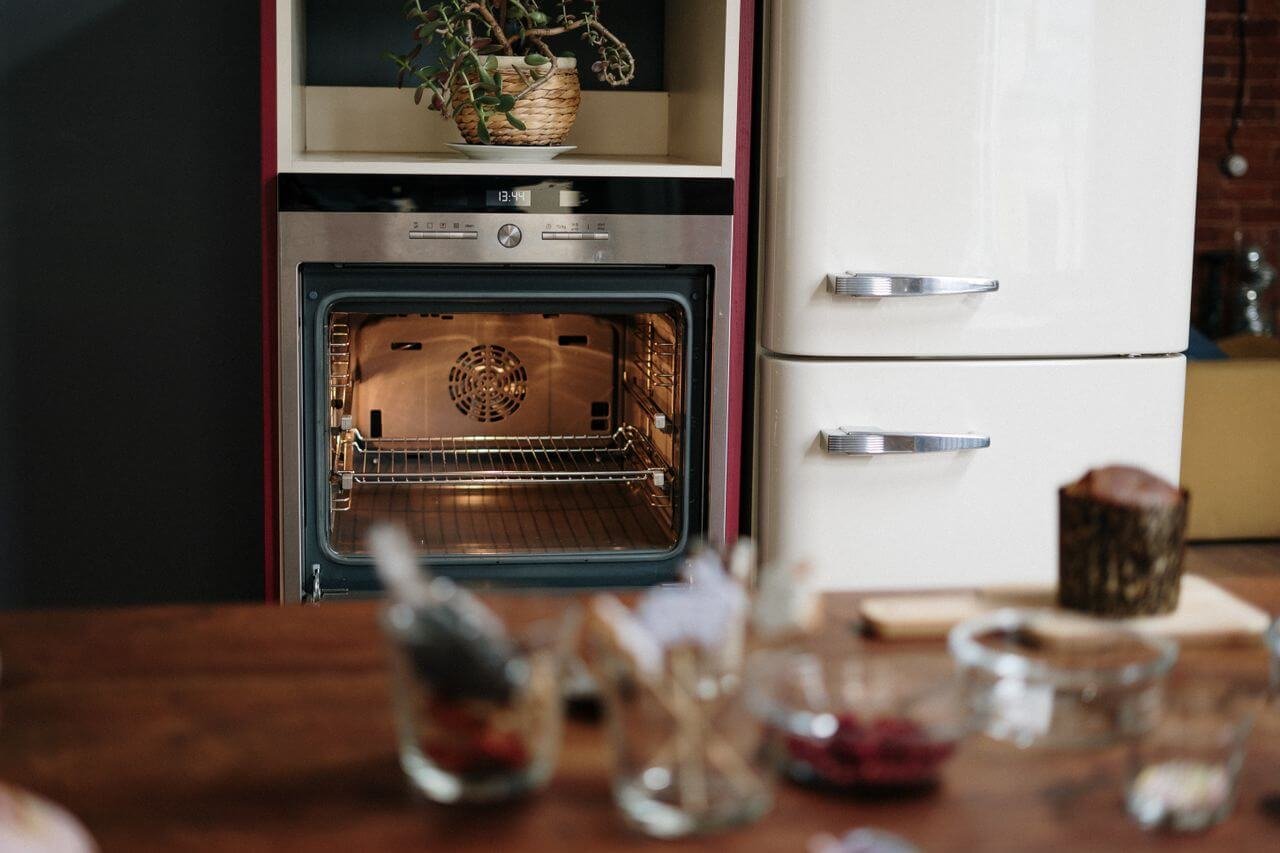
Oven type shifts the stress: a fan oven heats evenly but drives heat into exposed edges, a countertop oven sits the dish close to the element, and a grill setting is not an oven setting at all. The recipe matters too, since a liquid dish rarely exceeds 100°C internally while a dry bake or sugar syrup can push the glass far above the setting.
Which Glass Items Are Actually Built for the Oven
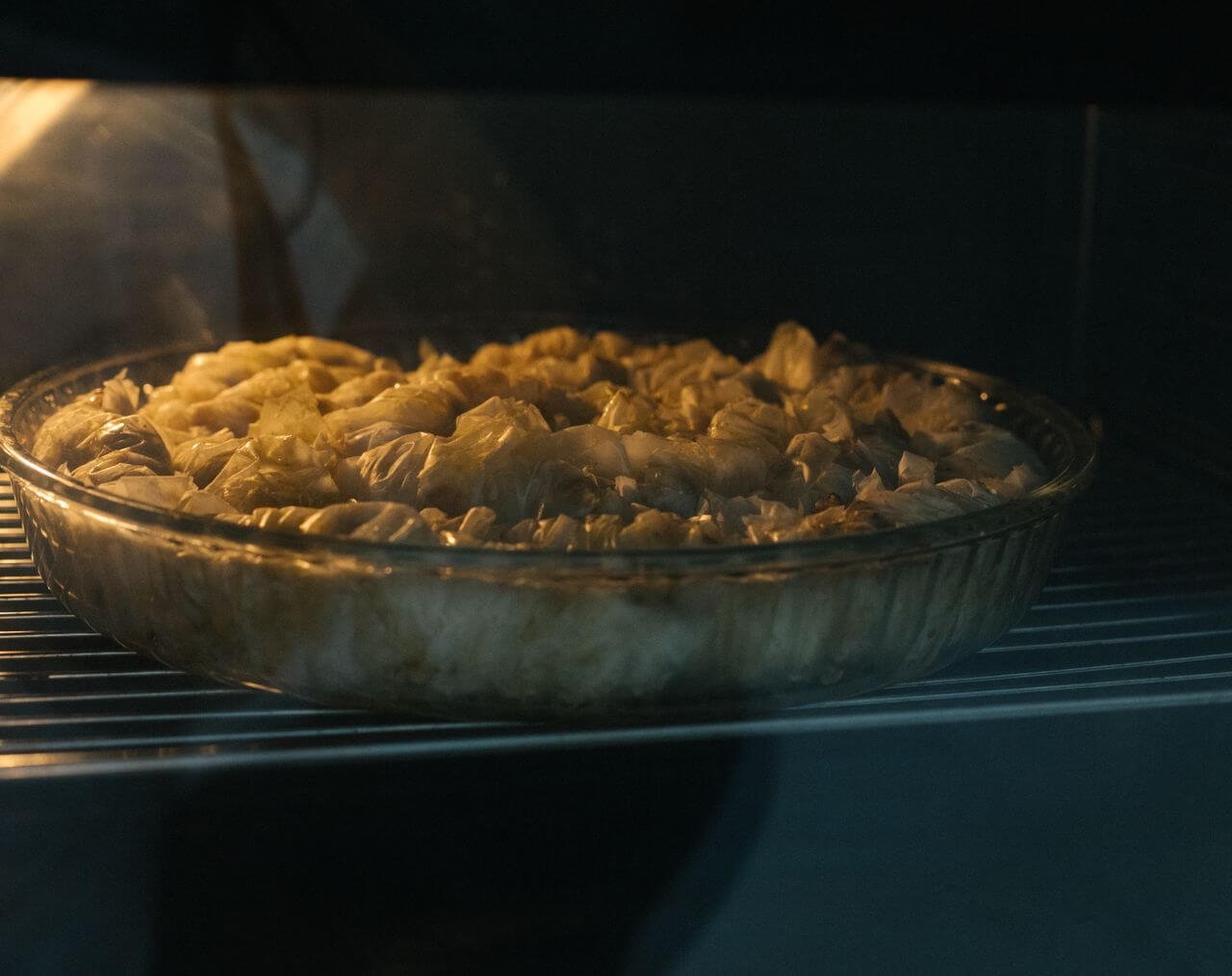
Category is a better predictor than appearance. Bakeware, roasting dishes, measuring jugs and mixing bowls are usually rated for the oven; drinking glasses, mugs, storage jars and decorative bowls usually are not.
Bakeware, roasting dishes and casseroles
Built around oven use: rounded internal corners, thick rims, no metal decoration and a base mark with a temperature. Laboratory-style jugs are usually borosilicate, while mixing bowls vary. If you are unsure whether a dish was made for baking, the mechanics of baking with glassware are worth reading first.
Drinking glasses, mugs and oven-safe cups
A cup described as oven safe is a specific product, not a category. Thick-walled mugs are designed for 90°C liquid and no ambient heat, so unless the base carries a number, keep drinkware out.
Jars and bottles
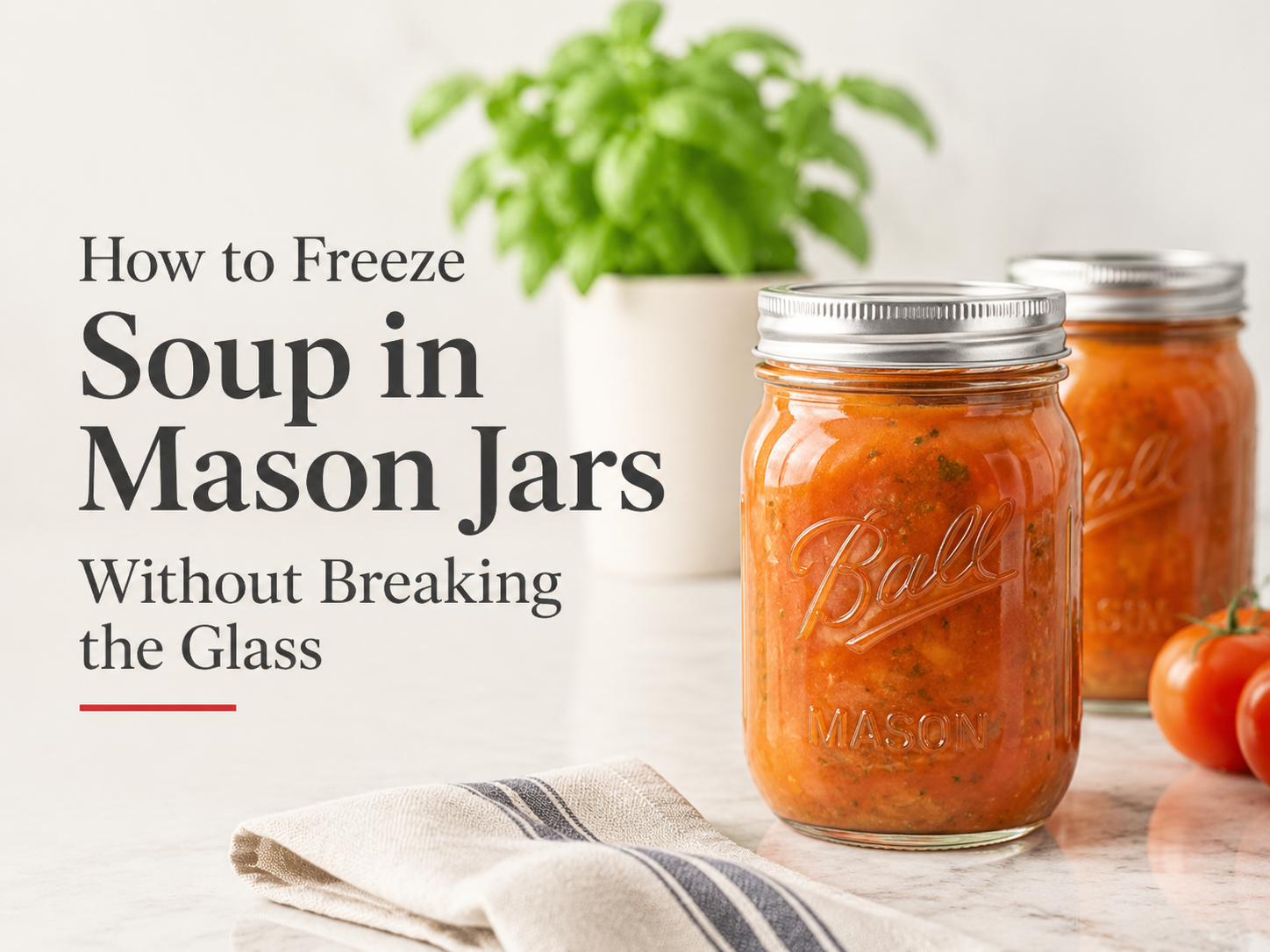
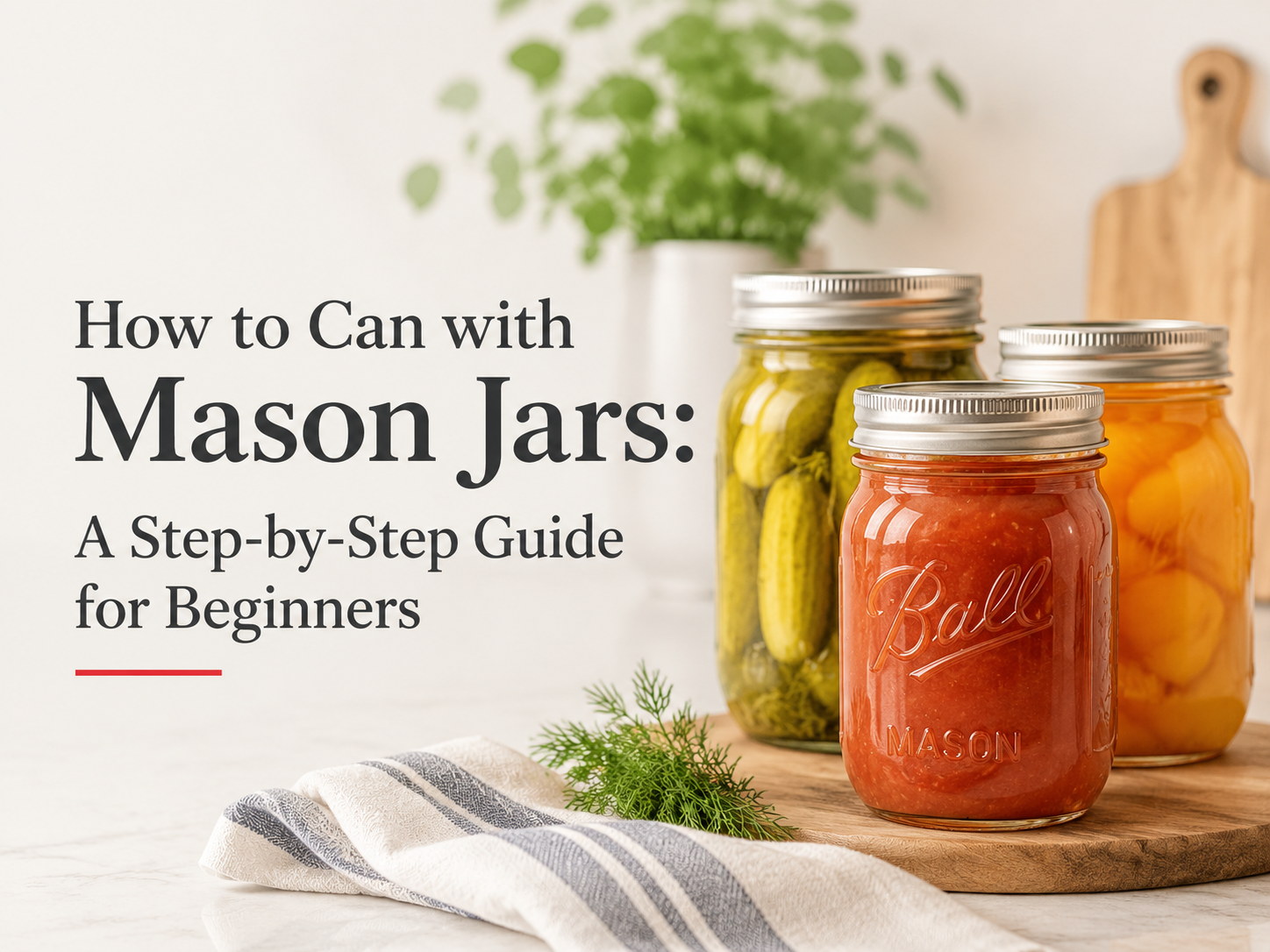
Canning jars are the exception that proves the rule: heat-treated to survive hot filling and water-bath processing, a wet-heat process near 100°C rather than a dry 220°C oven. That is why a jar can be safe for preserving and unsafe for roasting. Lids come off first, because a sealed jar in an oven is a pressure vessel. For jars specifically, see whether Mason jars are oven safe.
Retailer and private-label glassware
Store-brand ranges are the least predictable, since one design can include borosilicate bakeware, tempered serving dishes and soda-lime storage jars. Limits commonly land around 280°C (about 535°F) for oven dishes, and none for jars and drinkware.
The Handling Rules That Prevent Most Breakages
Every rule below controls one variable, the temperature difference across the glass at any moment. A rating prevents overheating; handling prevents the gradient, and the gradient is what breaks dishes.
- Never move cold glass into a hot oven. Let a refrigerator-cold dish stand for fifteen to twenty minutes, or start it in a cold oven.
- Never heat an empty dish. Dry glass with nothing to buffer it heats unevenly, and the base above the element goes first.
- Never add cold liquid to hot glass. Deglazing a hot roasting dish with cold stock is a textbook shock event.
- Never rest hot glass on a cold or wet surface. A wet towel, stone worktop or steel sink pulls heat out of the base fast.
- Never use glass under a broiler, on a burner or on a grill. Radiant heat and open flame create gradients no domestic glass is rated for.
- Cool before washing, and skip abrasive scrubbers. Cold water in a hot dish is the same mistake, and scratches start the next crack.
What the Break Pattern Tells You
Tempered glass breaks into small, relatively blunt granular pieces; untempered glass breaks into larger, sharper shards. The pattern reads reliably, and it is why tempered bakeware is considered safer despite being more shock-sensitive.
Tempering locks the surface into compression, balanced by tension in the core. Once a crack penetrates that layer the balance is lost and the stored energy discharges at once, which is why a tempered dish can seem to explode; the behaviour is documented in the material literature on tempered glass.
What Buyers and Private-Label Brands Should Specify
For anyone sourcing glassware rather than using it, “oven safe” has to become numbers in a specification: a measured shock differential, a rated maximum temperature, per-component limits for fittings, and a marking scheme that matches the packaging claim.
Consumer guidance stops at the base marking. Trade buyers cannot, because that marking is the last step in a chain that starts with the melt. Four items belong in any ovenware specification:
- A shock figure expressed as a differential in degrees, established by a recognised test method.
- A maximum continuous service temperature, stated separately, because the two answer different questions.
- Component limits for every non-glass part: lid, gasket, handle, print and label.
- A durability requirement covering repeated cycles, since surviving one ramp is not surviving two hundred.
Batch consistency is the quiet risk: two runs from two furnaces can differ in residual stress and annealing quality, and the gap appears only in the field. Buyers specifying oven-rated containers at volume work from a documented wholesale glass jars specification rather than a sample on a desk.
FAQ
Can a chipped oven-safe dish still go in the oven?
No. A chip or crack concentrates stress exactly where a new crack will start, and the rating assumes an undamaged body.
Why did my oven-safe glass dish crack even though I stayed under the temperature limit?
Because the limit governs steady heat, not rate of change. A cold dish in a hot oven, a hot dish on wet stone, cold liquid mid-bake or an overheated surface all produce the same failure.
Should lids, foil and silicone covers go in the oven with the glass?
Glass bodies and their fittings rarely share a rating. Metal lids, gaskets and plastic caps come off first, and a sealed jar in an oven is a pressure vessel. Aluminium foil is safe against oven-rated glass at baking temperatures, but it reflects heat, so keep it loose.