A household can accumulate two or three empty jars a week from sauces, pickles, coffee, and preserves, and most of them go into a recycling bin that does not reliably lead back to a new container. Food jars are small, often fitted with one-piece lids, and usually carry residue, which makes them hard to recover at scale.
The short answer is to sort every empty jar into one of three streams the same day. Jars with a smooth rim and a matching lid return to food service as pantry, fridge, or freezer containers. Jars with chipped rims, odd shapes, or decorative finishes become storage, planters, candles, or organizers. Only jars that fail both tests should be recycled. Within those streams, the highest-value uses are dry goods storage, freezing, canning, propagation, small-parts organization, and gift packaging.
The sections below work through each use in the order most households need them.
Why Reusing Glass Jars Beats Recycling Them
Reuse beats recycling because a refilled jar skips the melt cycle entirely, and because food jars are recovered at a far lower rate than beverage bottles. One jar used twenty times displaces twenty new containers.
The macro numbers support that view. According to US Environmental Protection Agency data, glass generation in the United States runs near 12.3 million tons a year, with a container recycling rate of roughly 31 percent and 7.6 million tons landfilled. The Glass Packaging Institute puts food jar recovery near 15 percent, against close to 40 percent for beverage bottles.
The Recycling Gap for Food Jars
Food jars fail recovery for structural reasons: they are small enough to fall through screening built around bottles, one-piece lids contaminate the stream, and oil and sugar residue lowers the value of a whole load. Packaging teams can design against that with a standard thread, replaceable closures, and labels that lift in hot water. Buyers specifying glass jars for refill programs increasingly treat those details as part of the brief.
What Makes Glass Worth Keeping
Glass is nonporous and impermeable, so flavors are neither absorbed nor transferred, and it is inert against acid, oil, and alcohol. It does not hold odors, it shows you what is stored, and it tolerates repeated hot washing. The limits are thermal: sudden temperature change cracks standard jars, not every jar is oven-safe, and metal lids stay out of the microwave.
How to Clean and Prepare Jars for a Second Life
Wash jars in hot soapy water, soak the label off, remove the adhesive, then inspect the rim and threads. Replace any lid that is dented, rusted, or a one-piece closure, because the seal fails before the glass does.
Let the jar and lid sit in hot soapy water for ten minutes before scrubbing with a bottle brush, which reaches the shoulder curve where residue collects. Rinse hot and drain upside down, then dry fully, since moisture trapped under a lid causes the musty smell people blame on the glass.
Removing Labels and Adhesive Residue
Most paper labels lift after a fifteen to thirty minute soak in hot water with baking soda, and film labels need a little heat from a hair dryer first. For the adhesive, use a baking soda paste, a drop of cooking oil, or an alcohol wipe, and scrape with plastic rather than a knife that can chip the rim.
Inspecting the Rim, Threads, and Lid
Run a fingertip around the rim: a chip on the sealing surface prevents a vacuum seal, and a chip on the outer edge cuts. Confirm the threads are continuous, the sealing compound is smooth, and neither band nor lid shows rust.
When to Retire a Jar
Condition, not age, decides what a jar can still do safely.
| Jar condition | Food storage | Canning | Best use |
| Smooth rim, intact threads, two-piece lid | Yes | Yes | Canning, freezing, pantry |
| Scratched body, smooth rim, lid seals | Yes | No | Dry goods, fridge storage |
| Chip or crack anywhere | No | No | Decorative only, or recycle |
| One-piece lid from a retail product | Dry goods only | No | Pantry staples, non-food items |
| Thin decorative jar, no proper thread | No | No | Flowers, candles, desk storage |
Kitchen and Pantry Storage Ideas
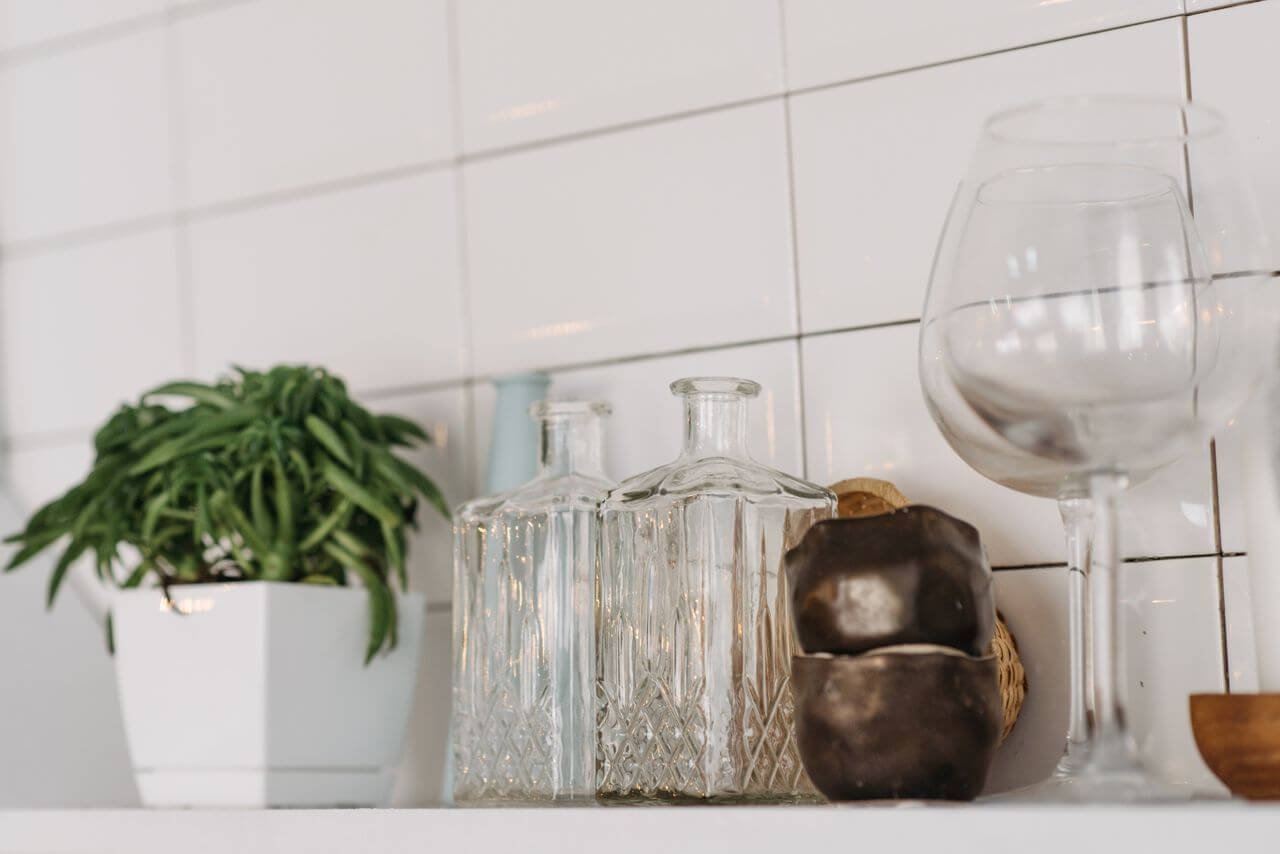
Dry goods, leftovers, and liquids are where jars earn their keep, provided the lid seals and the jar is sized to the job. A jar that is too large wastes space, and one that is too small splits a single ingredient across three containers.
Decanting flour, rice, oats, sugar, pasta, coffee, and tea into glass ends the cycle of half-open bags, spills, and pantry moths, and a jar that held spices can hold coffee next month after one wash. Label contents and date, keep light-sensitive items in amber jars, and if you are outfitting a pantry from scratch, airtight glass storage jars with matching lids remove the guesswork.
| Jar size | Approximate capacity | Typical uses |
| 4 oz | 120 ml | Spices, dressings, sample portions, favors |
| 8 oz | 240 ml | Overnight oats, dips, dried herbs |
| 16 oz | 470 ml | Leftovers, grains, single freezer portions |
| 24 oz | 700 ml | Soups, meal prep, chopped fruit |
| 32 oz | 950 ml | Flour, pasta, cold brew, small ferments |
| 64 oz | 1.9 L | Bulk dry goods, stock, kombucha batches |
Dry Goods and Pantry Staples
Bulk bins are cheaper per kilo and produce no packaging, but only if you arrive with containers that seal. A quart jar holds roughly a kilogram of rice. For daily items, a wide mouth matters more than capacity.
Fridge and Freezer Storage
Leftovers, cut fruit, marinades, and stock store well in glass, and visible contents get eaten instead of forgotten. Cool food before lidding, and leave headspace before freezing, where expanding water is the real risk.
Liquids, Infusions, and Fermented Foods
Jars suit vinegar shrubs, cold brew, kombucha, sourdough starter, and pickled onions. Two rules cover most of the risk: fresh garlic or herbs in oil is a low-acid, anaerobic mix that belongs in the fridge for days at most, and ferments release gas, so leave headspace and burp the jar daily.
Preserving Food: Canning, Pickling, and Freezing
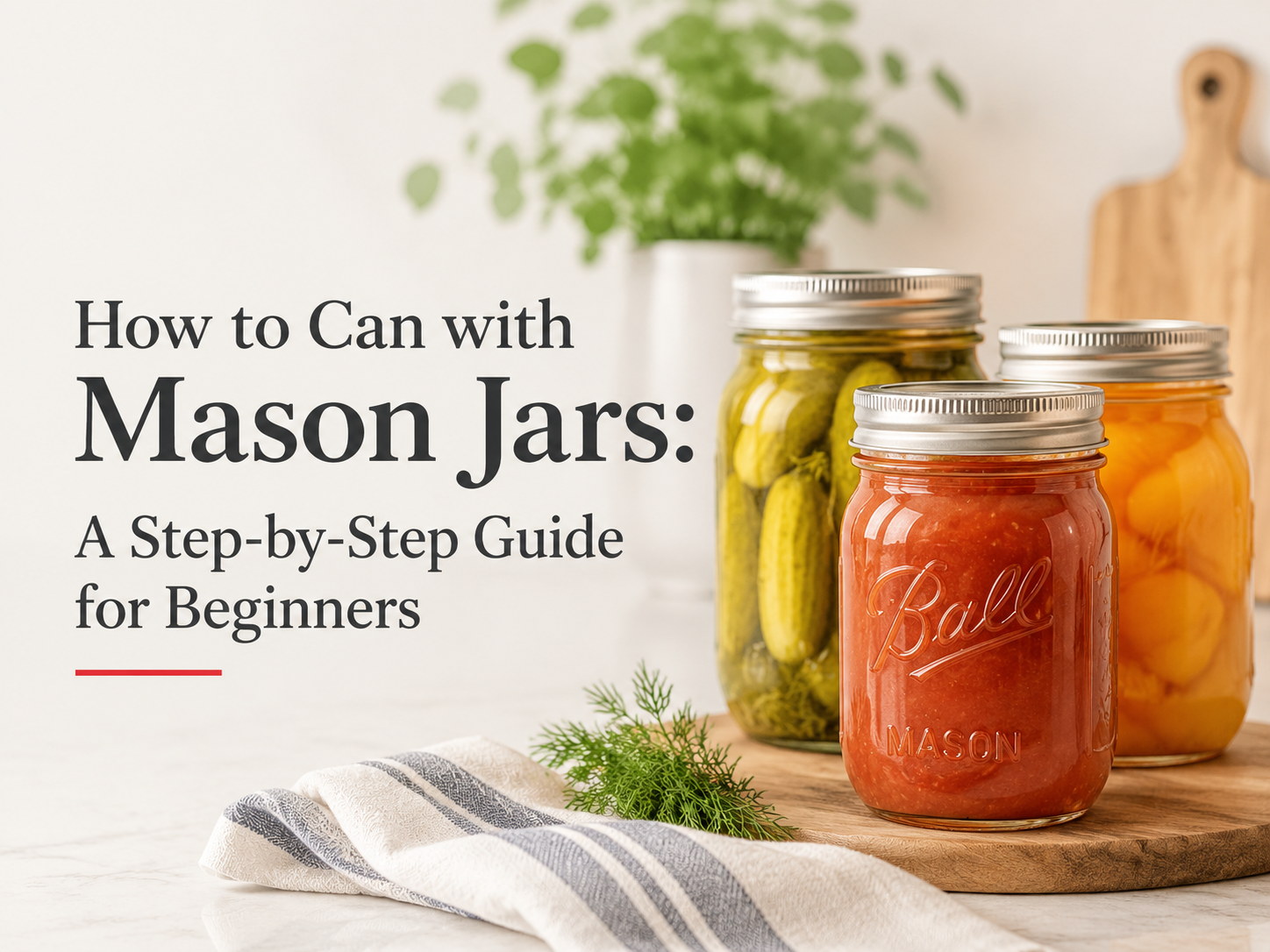
Glass jars are the standard vessel for home preserving, but only jars made for canning, fitted with a two-piece lid, used with a tested recipe, and filled to the correct headspace. A retail jar with a one-piece lid can hold fridge pickles, not shelf-stable food.
Canning works because heat drives air from the headspace and the cooling contents pull the lid into a vacuum seal, which depends on the jar and lid behaving predictably. Follow tested times and pressure guidance from the National Center for Home Food Preservation, and never cut the acid, sugar, or processing time in a tested recipe.
Water-Bath Canning Basics
Water-bath canning suits high-acid foods: jams, jellies, fruit in syrup, acidified tomatoes, pickles, and most chutneys. Headspace is the variable most often got wrong. Leave a quarter inch for jams, half an inch for fruits and pickles, and one to one and a quarter inches for low-acid foods processed under pressure. Too little forces product under the lid; too much leaves a weak vacuum that fails in storage.
Freezing in Glass
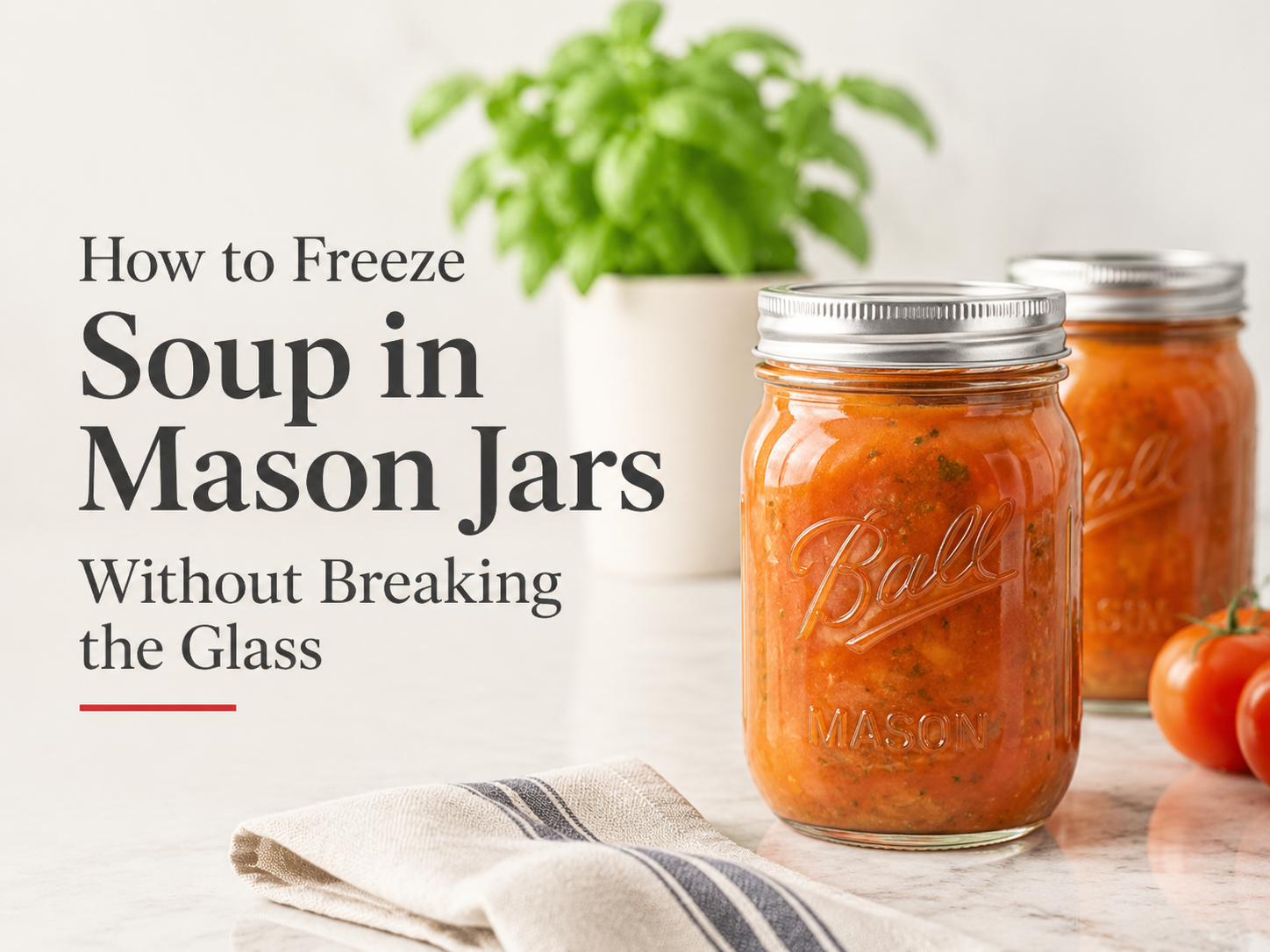
Freezing is more forgiving but has its own rule: half an inch in pints, one inch in quarts, wide mouths for solid food, and contents cooled before the jar goes in. Thaw in the refrigerator, and never pour hot liquid into a frozen jar. How to freeze glass jars without cracking them comes down to those habits.
Jars That Should Never Be Canned In
Retail jars with one-piece lids, decorative jars without a proper thread, thin candle vessels, any chipped or cracked jar, and oversized jars that no tested process covers should stay out of the canner. They can still hold dry goods, fridge pickles, or craft supplies.
What Can You Make With a Glass Jar? Decorative and Craft Projects
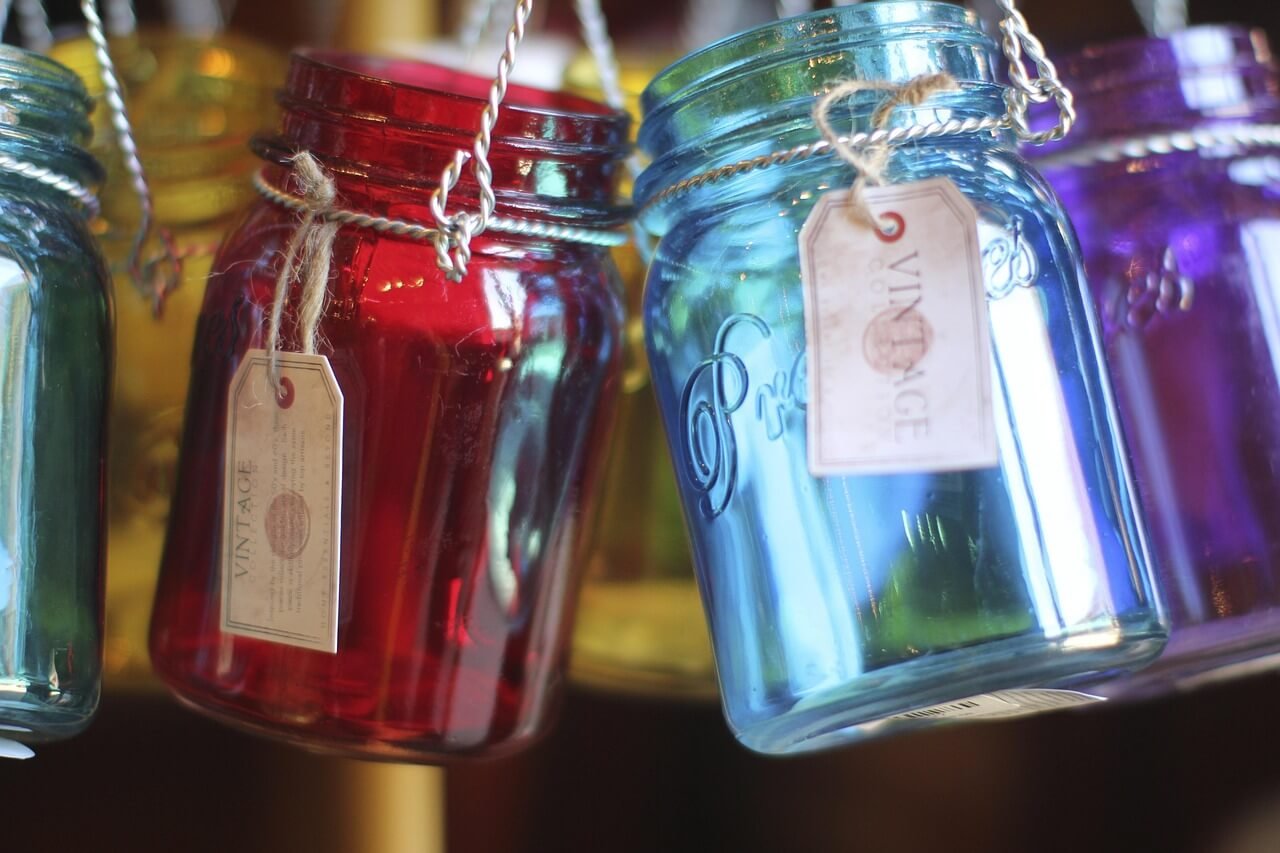
Candles, planters, lanterns, organizers, and gifts absorb almost every spare jar, and each needs a different preparation step. The common mistake is treating a jar as decorative first, when its finish and closure decide what it can do.
A jar that has held candle wax should never return to food service, since wax and fragrance oil are hard to remove from the shoulder. Mark those jars and keep them out of the kitchen.
Candles and Lanterns
Center a wick in a clean dry jar, pour melted wax to an inch below the rim, and let it set before trimming. Burn on a heat-resistant surface away from drafts. For lanterns, sand or pebbles plus a tealight add weight and diffuse the light, and a wire handle makes the jar hangable.
Terrariums, Propagation, and Herb Planters
A closed terrarium needs gravel for drainage, a thin charcoal layer, and a suitable mix. Open jars dry faster and suit succulents and herbs, and jars without drainage holes need careful watering. The simplest option is water propagation: fill a third, add one cutting, and change the water weekly.
Desk, Bathroom, and Small-Item Organizers
Cotton swabs, hair ties, brushes, pens, clips, and jewelry store better in glass than in a drawer, because you can see the supply level. Line the base with fabric so metal items do not rattle.
Gifts and Favors
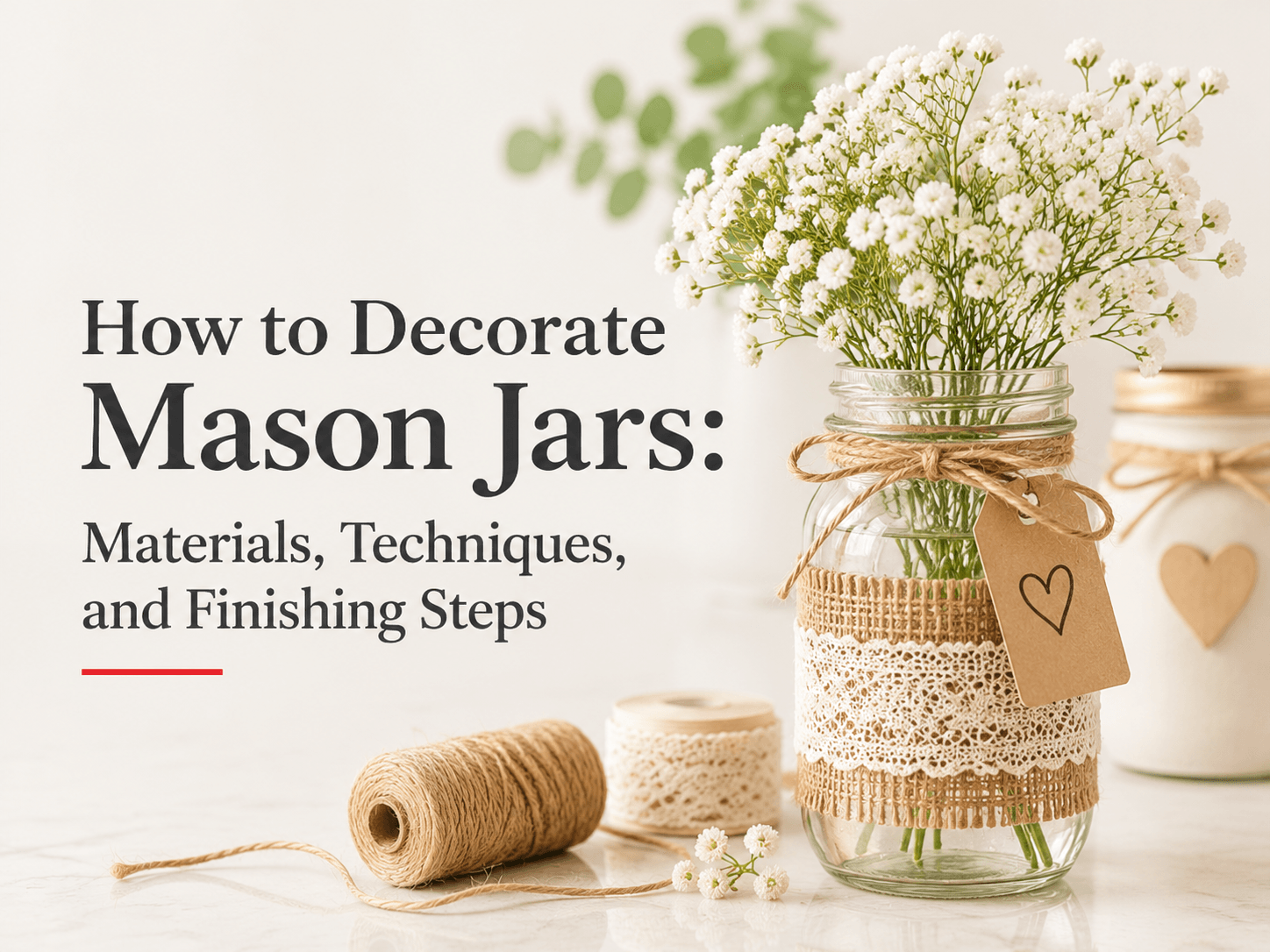
Layered mixes, bath salts, spice blends, and infused sugar present well in glass, and the container becomes part of the gift. Use only food jars, leave an inch of headspace, seal with a fresh lid, and list ingredients on a card. For events, uniform jars look intentional rather than like a cupboard clear-out.
Garden, Garage, and Workshop Uses
Outside the kitchen, jars keep small things visible, dry, and sorted, from seeds and screws to leftover paint and homemade cleaners.
Dried seeds keep for years in a sealed jar with a silica packet, stored dark and cool, and the clear glass shows condensation without opening the lid. Cuttings root readily in water on a bright sill. Sorting screws and anchors by size saves the twenty minutes lost to rummaging, and leftover paint with the room name on the lid beats a rusty can.
Are Old Glass Jars Worth Anything?
Most old jars are worth very little, often under ten dollars, but a small number of rare colors, early closures, and crisp embossing sell for tens to several hundred dollars. Check the base, closure, and color before you paint, drill, or cut.
Condition outranks age here: a common jar in mint condition is worth more than a scarce one with a chipped rim, because collectors buy display pieces.
What Makes a Jar Collectible
Look at six things: the closure, since wire-bail and wax seals predate screw threads; color, where cobalt and amber beat standard aqua; embossing, because crisp lettering points to an earlier mold; the maker’s mark on the base, which dates the piece; rarity of mold or size; and completeness, including the original lid.
Common Versus Collectible Examples
| Jar type | Typical era | Approximate value | Advice |
| Clear machine-made jar, screw thread, paper label | 1940s to 1990s | Under $5 | Use freely |
| Aqua jar, embossed lettering, wire bail | 1880s to 1920s | $10 to $40 | Keep if undamaged |
| Cobalt or amber jar, crisp embossing | 1890s to 1930s | $30 to $120 | Research before altering |
| Unusual color, early closure, mint condition | Pre-1900 | $100 and up | Do not modify |
Check Before You Paint, Drill, or Cut
A drilled hole, painted exterior, or cut rim ends collector value. Photograph the jar, note the embossing and base mark, and compare completed sales rather than asking prices, which are often aspirational.
Scaling Up: Standardizing Jars for Gifts, Refills, and Bulk Buying
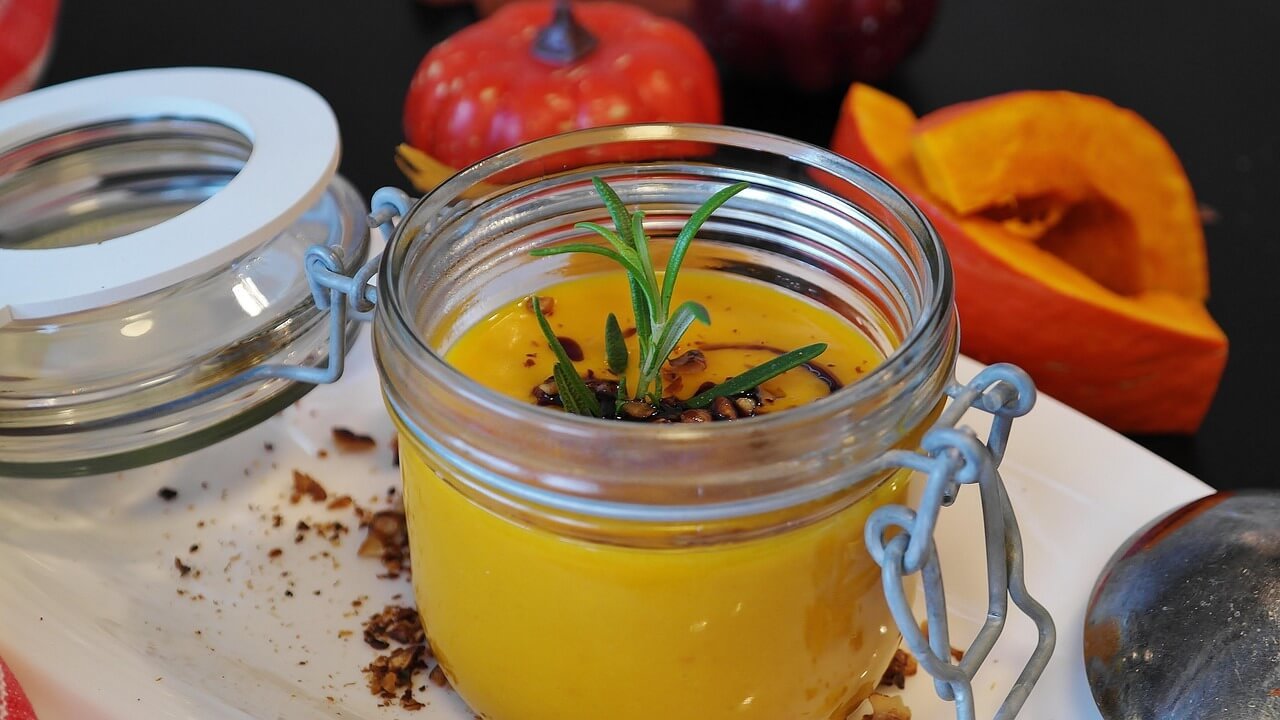
When jars move from a cupboard habit into a product line or refill scheme, the priority shifts from any jar to one repeatable jar-and-lid system in two or three sizes, so lids, labels, and cartons can be bought once.
Saving retail jars costs nothing per unit but hides labor in label removal, odd dimensions that waste carton space, and missing lids. Buying new jars costs money but delivers predictable fill volume, a matched closure, and specified wall thickness.
Matching Jars and Lids as One System
Specify the neck finish once and hold it across the range so one lid fits every size. Confirm the lid material against the contents, since acid and oil attack some liners and hot fill needs a rated closure. Order spare lids every run: closures wear out long before the glass does.
Buying in Bulk Versus Saving Retail Jars
Brands that start with small glass jars for samples find that the smallest format is where retail jars fit worst, because few products are sold in gift or sample sizes. Case-packed jars also arrive with dividers and a known drop rating.
Reuse Programs for Brands and Retailers
Returnable packaging works when the container survives washing and customers recognize it. Deposit schemes push glass recovery above 60 percent in some markets, against roughly 24 percent without them, which suggests the incentive rather than the material decides the outcome.
Common Reuse Mistakes to Avoid
Most failures come from temperature shock, mismatched lids, and sealing food while it is still hot, not from the glass itself.
Never pour boiling liquid into a cold jar or set a hot jar on a cold counter. Never microwave a metal lid. Never seal warm food and call it preserved. Never reuse a one-piece lid for canning, and never assume a jar is airtight because the lid turns. Do not overfill before freezing or store oils in direct sunlight.
FAQ
Three questions come up most often once people start reusing jars seriously: lids, lifespan, and odor.
Can you reuse store-bought sauce or pickle jars for canning?
The jar sometimes can be reused, but the lid usually cannot. Retail jars are built for a single commercial seal, and one-piece closures do not provide the reliable vacuum that home canning depends on. Use those jars for dry goods, fridge pickles, or freezing.
How many times can a glass jar be reused?
There is no fixed limit, because the constraint is physical condition rather than use count. A jar stays usable while the rim is unmarked, the threads are intact, and no crack has developed. Inspect it each time and retire it on the first chip.
Do glass jars absorb odors, and how do you remove them?
Glass does not absorb odors the way plastic does, so a smell usually comes from residue under the shoulder, a contaminated lid, or moisture trapped under a closed lid. Wash with hot water and baking soda, replace the lid, and dry fully before storing.