Whether you are reusing a drinks bottle, preparing containers for homemade sauces, or setting up jars for fermentation, getting a glass bottle properly sterilized is the step that separates safe storage from spoiled contents. Glass itself is non-porous and naturally resistant to chemical leaching, which makes it one of the safest materials for food contact. But a clean-looking bottle can still carry microscopic bacteria, yeast spores, and mold residue that thrive in the right conditions. Without a reliable sterilization routine, those invisible contaminants will shorten shelf life, alter flavors, and, in some cases, create genuine health risks, especially when you are dealing with low-acid foods or long-term storage.
The most reliable ways to sterilize a glass bottle are boiling it in water for at least 10 minutes, baking it in the oven at 160°C (320°F) for 15 minutes, or using a steam sterilizer. Each method works, but the right choice depends on the bottle size, shape, and what you plan to store inside. All three approaches require the bottle to be clean and free of cracks before starting.
The method you pick also affects how long the bottle stays sterile and how much effort you need to put in. Here is what each approach looks like in practice, along with the safety details that most guides skip.

Why Sterilising a Glass Bottle Matters
Sterilizing removes microorganisms that standard washing leaves behind, which is essential for food safety, fermentation control, and extending the usable life of stored contents.
Washing with soap and hot water removes visible dirt and most surface grease, but it does not eliminate everything. Bacterial spores, particularly from Clostridium botulinum and various mold species, can survive regular dishwashing temperatures. These spores stay dormant inside a sealed bottle until the right combination of moisture, warmth, and nutrients wakes them up. That is when spoilage begins. For fermented drinks like kombucha Or water kefir, an unsterilized bottle introduces competing microbes that throw off the fermentation balance and create off-flavors.
Commercial kitchens and food manufacturers treat sterilization as a non-negotiable step, and home users who store anything for more than a few days benefit from the same discipline. When you buy wholesale glass jars for a food business, the containers arrive clean but not sterile, and the same principle applies to any bottle you pull out of storage at home.
Boiling Water Method
Boiling is the simplest and most accessible way to sterilize a glass bottle: submerge the bottle in a pot of water, bring it to a rolling boil, and keep it there for at least 10 minutes.
This method works because water at 100°C (212°F) denatures proteins and disrupts cell membranes in bacteria, killing both active cells and most spores over the 10-minute window. It requires no special equipment beyond a pot large enough to fully submerge the glass bottle, ideally one that allows the bottle to lie on its side so water fills the interior without trapping air pockets.
Step-by-step process
- Wash the bottle with warm soapy water and rinse it thoroughly. Any residual organic matter will shield bacteria from the heat.
- Place a clean kitchen towel or a silicone trivet at the bottom of the pot. This prevents the glass from sitting directly on the metal base, which can cause uneven heating and cracking.
- Lay the bottle on its side in the pot and fill both the pot and the bottle with cool water. Starting with cool water and heating gradually reduces the risk of thermal shock.
- Bring the water to a rolling boil and start timing. Maintain the boil for a full 10 minutes. Cutting it short at 5 or 6 minutes will not reliably kill spores.
- Use tongs to lift the glass bottle out, tip out the water inside, and place it upside down on a clean drying rack. Let it air-dry completely before use.
When to skip this method
Boiling is not the best fit for bottles with glued-on labels, decorative coatings, or very thin walls. The sustained heat can weaken adhesives and, in rare cases, crack glass that already has micro-fractures. For the same reason, this is the technique used when sterilizing glass jars for canning, where reliability matters more than speed.

Oven Sterilisation Method
Oven sterilization uses dry heat at 160°C (320°F) for 15 minutes, and it works particularly well when you need to sterilize several bottles at once or when you want them bone-dry immediately after the cycle.
Dry heat kills microorganisms by oxidizing their cellular components, which takes slightly higher temperatures than boiling water but leaves no residual moisture. That matters if you are storing dry goods like herbs, spices, or dehydrated food, where any trapped water invites mold.
How to do it safely
- Wash and rinse the bottles as you would for the boiling method. They must go into the oven clean, not just dust-free.
- Place the bottles upright on an oven rack, leaving space between them so hot air can circulate. Do not put lids in the oven unless they are all-metal; plastic or rubber-lined lids will melt or degrade.
- Set the oven to 160°C (320°F). Wait until the oven reaches temperature before you start the timer. Putting bottles into a preheating oven exposes them to uneven radiant heat from the heating element.
- Bake for 15 minutes. Remove the bottles promptly once the timer goes off and let them cool on a heatproof surface. The glass will be hot enough to burn skin, so handle with dry oven mitts.
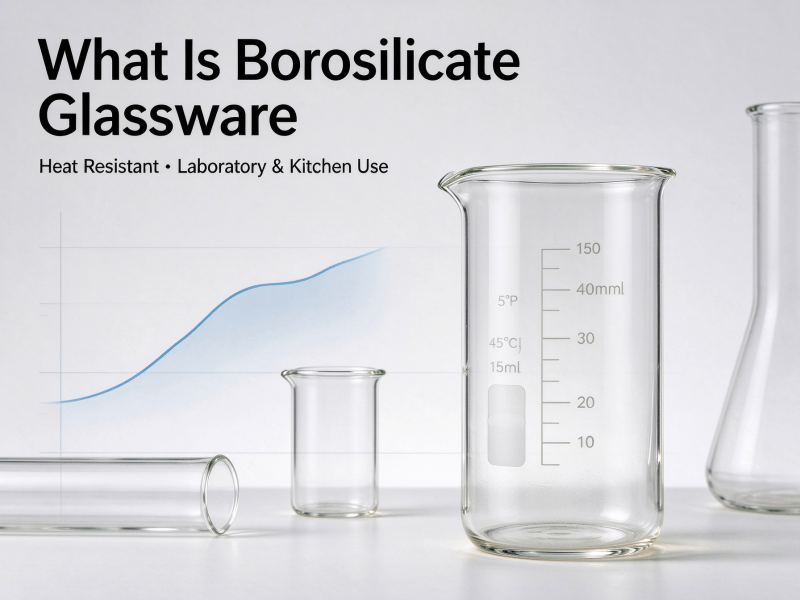
One caution: not all glass is rated for oven use. Bottles made from soda-lime glass (the most common type) can handle 160°C, but thinner decorative bottles may not. If you are uncertain about the glass type, the boiling method is the safer fallback. Understanding the differences in heat-resistant glass composition helps you make that call before you preheat the oven.
Steam Sterilisation Method
Steam sterilization is the fastest option: it takes about 5 minutes of direct steam contact to kill bacteria and spores, and it uses less energy than boiling a full pot of water.
Steam carries more thermal energy than boiling water at the same temperature because of the latent heat released when steam condenses on a cooler surface. That energy transfer happens almost instantly, which is why steam penetrates crevices and irregular glass bottle shapes more effectively than immersion boiling.
Using a dedicated steam steriliser
Electric steam sterilizers designed for baby bottles work perfectly for small to medium glass bottles. Load the bottles upside down, add the recommended amount of water to the base, and run the cycle. Most units finish in 5 to 8 minutes and switch off automatically.
Stovetop steaming
If you do not have an electric unit, a large pot with a steamer basket does the same job. Fill the pot with about 5 cm of water, insert the basket, place the bottles upside down in the basket, and bring the water to a boil with the lid on. Steam for 10 minutes to be safe. Stovetop setups lose more steam around the edges than sealed electric sterilizers.
The same steam principles apply whether you are treating bottles or sterilizing mason jars for preserving jams and pickles. The only variable is the container’s size and whether it fits inside your steaming setup.

Common Mistakes to Avoid
The three most frequent errors are skipping the pre-wash, using bottles that have cracks, and putting lids through the wrong sterilization method.
A glass bottle that looks clean can still have a thin film of oil or protein residue. That film insulates bacteria from heat during sterilization, so the wash step is genuinely load-bearing. Pre-wash every glass bottle regardless of which sterilization method you pick.
Cracked or chipped glass is a hazard. Cracks trap organic matter that no amount of boiling will remove, and they create weak points where thermal stress concentrates. A glass bottle that has been dropped or has visible hairlines should be recycled, not sterilized.
Lids deserve their own attention. Metal lids with plastic seals cannot go into the oven, and boiling can degrade rubber gaskets over time. Most lids should be washed separately in hot soapy water and dipped in boiling water for 30 seconds rather than subjected to a full 10-minute boil. When you source glass jars with lids in bulk, checking the lid material and heat tolerance before committing to a sterilization routine saves you from warped seals and wasted containers.
Temperature and timing shortcuts
Cutting the boil or bake time short because “it should be enough” is a gamble that rarely pays off. Bacterial spores need sustained exposure: 10 minutes at 100°C for boiling, 15 minutes at 160°C for dry heat, and 5 to 10 minutes for steam. If you are at high altitude, add 1 minute of boil time for every 300 meters above sea level because water boils at a lower temperature.
Recontamination after sterilising
A sterile glass bottle stops being sterile the moment it touches an unsterilized surface. Use clean tongs to handle hot bottles; let them air-dry on a freshly cleaned rack instead of wiping with a cloth; and fill or seal them as soon as they have cooled to room temperature. For long-term dry storage, glass storage jars with airtight seals keep contents protected after the sterilization work is done.
FAQ
Can I sterilize a glass bottle in the microwave?
Microwaving a dry or empty glass bottle does not sterilize it and can damage the appliance. Some steam sterilizer bags for microwaves exist for baby bottles, but they are designed for specific plastic-safe cycles. For glass, boiling water or the oven method is more reliable. If you fill a glass bottle with water and microwave it until the water boils, the steam may help, but the results are inconsistent because microwave heating is uneven.
How long does a sterilized glass bottle stay sterile?
A glass bottle that has been sterilized and left uncovered on a drying rack will start picking up airborne bacteria within hours. If you seal it immediately after cooling, with a clean, sterilized lid, it can stay effectively sterile for days to weeks when stored in a clean, dry cabinet. The clock resets the moment you open it.
What temperature is needed to sterilize glass bottles?
Wet heat at 100°C (boiling water) for 10 minutes kills vegetative bacteria and most spores. Dry heat requires higher temperatures: at least 160°C for 15 minutes. Steam is effective at 100°C but transfers heat faster due to latent heat release, which is why steam cycles can be shorter.