Crystal glassware turns up in almost every home that has inherited dishes, collected decanters, or bought drinking glasses on a trip. At some point most owners ask the same thing: is this stuff worth anything, and where would I even sell it? The market for custom glassware and handmade pieces has grown as buyers look for items that feel personal rather than mass produced, which makes now a reasonable time to sort through what you have.
You can sell crystal glassware through online marketplaces, specialist auction houses, antique dealers, pawn shops, and local consignment stores, and the best option depends on the piece’s age, maker, and condition. If you’d rather source new crystal glassware than sell old pieces, Holinglass is a professional glassware manufacturer offering lead-free, fully customizable OEM/ODM products at factory-direct wholesale prices. Contact us to discuss your project and request a quote.
The sections below explain how to identify what you own, its value, and where to list it for the best return.

Does crystal glassware have any value?
Yes, most crystal glassware has some resale value, though the amount varies widely based on age, maker, and condition.
Plain drinking glasses from a department store often sell for a few dollars each. Older cut crystal, full sets, and pieces with clear maker marks can sell for tens or hundreds of dollars. The reason is simple: buyers pay for the weight of material, craftsmanship, and scarcity. A single heavy lead crystal decanter with hand-cutting holds more value than a shelf of thin tumblers.
Value also depends on whether the item is still useful. Serveware that people can actually use at a dinner table sells faster than ornamental pieces with no practical function. Condition matters more than most sellers expect, which the next sections cover in detail.
There is also a floor price set by the material itself. Crystal carries more lead or other heavy minerals than standard glass, so even an unbranded piece has weight behind it. That does not make every item valuable, but it means a heavy, well-made piece rarely sells for pocket change. Keep this separate from sentimental value: the memory attached to a wedding gift does not change what a stranger will pay, and pricing should follow the market, not the story.
Does anyone buy crystal glassware?
Yes, there is steady demand from collectors, home stylists, restaurants, and everyday buyers who want nicer tableware than mass-market glass.
The buyers split into a few groups:
- Collectors search for specific patterns, eras, or regions of production and will pay a premium for complete sets.
- Homeowners and stylists buy crystal for weddings, displays, and everyday use, often through online marketplaces.
- Antique and vintage dealers buy in bulk and resell through shops or their own channels.
- Auction houses handle higher-value single pieces and estates, where competitive bidding sets the price.
- Pawn and secondhand shops buy quickly but at the lowest margin, since they need room to resell.
Knowing which group wants your piece tells you where to list it. A common tumbler belongs on a marketplace; a signed, dated centerpiece belongs in front of collectors or an auction specialist.
Local buyers versus online audiences
Local buyers move fast and skip shipping, but they see a smaller pool and often expect a lower price because they can inspect the item in person. Online audiences are larger and will pay more for the right piece, yet you carry packing, postage, and the risk of returns. A good rule: sell common items locally for speed, and reserve online listings for pieces with a clear collector following.
How much can you sell crystal glassware for?

Typical resale prices run from a few dollars for ordinary pieces to several hundred dollars for rare, signed, or complete crystal sets.
The table below shows common ranges, but actual prices depend on maker, pattern, and local demand.
| Type of piece | Typical resale range | Best sales channel |
| Plain tumblers and glasses | 1 to 10 each | Online marketplace |
| Stemware (wine, champagne) | 5 to 40 each | Marketplace, consignment |
| Decanters and carafes | 20 to 150 | Marketplace, dealer |
| Cut crystal bowls and vases | 30 to 250 | Dealer, auction |
| Signed or complete vintage sets | 100 to 800+ | Auction, specialist collector |
A glass bottle from a perfume or specialty line can fall into the same resale logic: rarity and condition drive price more than size. Keep records of any original packaging, since it lifts value for collectors.
The ranges above are wide on purpose. Within each row, a clean, signed, complete example sits at the top, while a chipped or mismatched one sits near the bottom. Demand also shifts by region and season: barware and decanters move well before holidays, while everyday tumblers sell steadily year round. Treat the table as a starting point for research, not a quote, and always confirm against live sold listings before committing to a price.
How to sell crystal glassware for cash
Sell for cash by choosing a channel that matches your timeline, then listing with clear photos, honest condition notes, and a fair price.
Follow these steps:
- Identify the piece and note any marks or patterns.
- Check recent sold listings for the same or similar items to set a price.
- Photograph the item in daylight from multiple angles, including the base and any marks.
- Write a plain description that states height, weight, chips, and cracks.
- Pick a platform: a marketplace for speed, an auction for value, or a dealer for convenience.
- Ship with padding or hand deliver for local sales.
If you need money this week, a pawn shop or local buyer is the fastest. If you can wait, you will usually get more from an online listing.
Pricing to sell fast versus pricing for maximum return
These are two different goals. A price set slightly under the strongest recent sale attracts buyers quickly and can trigger a bidding war on marketplace formats. A price set at the top of the range waits for the right collector and may sit for weeks. Please decide which you need before listing. If the piece is common, price it to sell quickly; if it is rare and documented, hold firm and let the right buyer find it.
How to identify crystal glassware before selling

You can tell crystal from ordinary glass by checking weight, sound, and marks, since real crystal is heavier, rings when tapped, and often carries an etched signature.
Crystal contains lead or other heavy minerals, which changes how it feels and sounds. Please run through these checks before pricing anything:
Weight and thickness
Crystal feels heavier than standard glass of the same size. Hold a known glass item next to it; the difference is usually obvious.
Sound
Tap the rim gently with a fingernail. Crystal gives a clear, sustained ring. Ordinary glass makes a shorter, duller clink.
Marks and etching
Turn the piece over. Many makers etched a name, logo, or pattern number onto the base. A visible mark helps with pricing and with finding the right buyer.
Light and clarity
Crystal bends light with more sparkle than soda-lime glass. This alone does not prove value, but it supports the other signs.
What makes crystal glassware valuable?
Crystal is worth more when it is older, hand-cut, signed, part of a complete set, or hard to find in good condition.
Several factors push price up:
- Age and rarity — discontinued patterns and older production runs draw collectors.
- Cutting and detail—hand-cut facets take more labor than molded shapes.
- Completeness—a twelve-piece set beats twelve loose singles.
- Condition—no chips, clouds, or cracks keeps value intact.
- Provenance—original boxes, receipts, or known ownership adds trust.
Mass-produced modern crystal still sells, but the items above separate a 10 sale from a 300 one.
Flaws that quietly cut value
Some damage is obvious, like a missing chip on the rim. Other flaws hide until a buyer looks closely. Cloudiness from repeated dishwasher cycles dulls the surface and rarely comes out. Hairline cracks near the base weaken the piece and show up under bright light. Repairs, even good ones, almost always lower value because collectors want untouched glass. When in doubt, photograph the flaw and disclose it; an honest listing sells faster than a disputed one.
How to determine the value of your crystal

Determine value by comparing your piece to recent sold listings, then adjust for condition and completeness rather than guessing from retail prices.
Retail price is not the resale price. A new set might list at $200, but used pieces sell for a fraction unless they are collectible. Use these steps:
- Search sold listings on marketplaces for the exact pattern or a close match.
- Note the final sold price, not the asking price.
- Subtract for any damage, missing pieces, or wear.
- Add a little if you have the original box or paperwork.
- Set your listing slightly below the strongest comparable sale to attract early buyers.
If you cannot find a match, photograph the mark and ask an antique dealer for a verbal estimate. Most will tell you whether it is worth listing.
Mistakes that underprice or overprice
The two common errors pull in opposite directions. Sellers who price from a new retail tag usually ask too much and watch the listing expire. Sellers who assume all old glass is valuable sometimes accept a low pawn offer on a piece worth far more. The fix is the same: anchor every price to a recent sold listing of the same pattern, not to emotion or to a store shelf. If three comparable sales cluster around a number, trust that cluster.
Where to sell crystal glassware: your options compared
The main places to sell are online marketplaces, auction houses, antique dealers, pawn shops, and consignment stores, and each trades price for convenience differently.
| Option | Speed | Payout | Best for |
| Online marketplace | Medium | High | Most pieces, broad audience |
| Auction house | Slow | Highest for rare items | Signed, estate, collectible |
| Antique dealer | Fast | Medium | Bulk or mid-value lots |
| Pawn shop | Same day | Lowest | Quick cash need |
| Consignment store | Medium | Medium | Local, higher-end goods |
Online platforms also work for related collectible glass such as a glass bottle from a specialty line, since the audience and shipping process are the same. The trade-off is fees and the time spent answering questions and packing.
Fees and the real payout
Every channel takes a cut, and the cut changes your net return more than sellers expect. Marketplaces charge listing and payment fees that can reach ten to fifteen percent. Auction houses take commission on the sale plus sometimes photography or insurance. Pawn shops build their margin into the offer itself. Before you commit, subtract the fee from your expected price and compare the net across channels. A slower channel with lower fees can beat a fast one once the math is done.
How to prepare crystal glassware for sale
Prepare pieces by cleaning them gently, photographing them well, and storing them safely until they sell, since damage after listing destroys value.
Crystal is fragile, so handling matters as much as the listing.
Cleaning
Wash by hand in lukewarm water with a soft cloth. Skip the dishwasher, which can chip the rim and cloud the surface. Dry with a lint-free towel and let pieces air before packing.
Photographing
Use daylight and a plain background. Show the whole item, the base mark, and any flaw up close. Buyers trust listings that hide nothing.
Storing
Until your item sells, keep it in protective glassware storage containers away from humidity, stacked weight, and foot traffic. Wrap each piece in soft material and keep lids or stoppers with their matching bodies so sets stay complete.
Writing listing copy that builds trust
Buyers of fragile goods worry about hidden damage, so your words should remove that worry. If you know the maker, state it, along with the height, weight, and exact condition in plain language. Name any flaw directly rather than burying it. Mention whether the piece comes from a smoke-free, pet-free home, since that reassures buyers who plan to use the item for food or drink. Short, specific copy reads as honest and tends to attract serious offers over vague praise.

Selling crystal glassware at auction: what to expect
At auction you hand the piece to a specialist who sets a reserve, markets it to bidders, and takes a commission, usually around fifteen to twenty-five percent.
The process has a few stages. First, the house reviews your item and gives an estimate. If you agree, they photograph and list it in a sale. Bidders compete on the day, and the highest bid above the reserve wins. You receive payment after the auction settles, which can take a few weeks.
Auctions suit pieces with proven value: signed crystal, complete estate sets, and rare patterns. For a single tumbler, the fees rarely make sense. Ask for the commission and any listing fees up front so you know the net return before committing.
Understanding the reserve and estimate
Two numbers shape your auction outcome. The estimate is the house’s public guess at the selling range, used to attract bidders. The reserve is the secret minimum you will accept; if bidding stays below it, the piece does not sell, and you usually pay a reduced fee. Set the reserve at the lowest price you would accept, not at the estimate. A reserve set too high leaves the item unsold, while one set sensibly invites competition that can push the final price above the estimate.
What kinds of crystal sell best
Complete sets, hand-cut vessels, vintage barware, and signed decorative pieces sell best, while mismatched modern tumblers move slowly and cheaply.
Buyers pay for usability and story. A full set of stemware lets someone host a dinner. A cut crystal vase reads as a gift. Vintage decanters and barware fit the current interest in home entertaining. Ornamental figurines sell unevenly because they have a narrower audience.
If you are sorting an estate, group pieces into sets before listing. A matched group almost always outsells the same items sold one by one.
Pieces that are harder to sell
Not every crystal item finds a buyer quickly. Tall, thin stemware breaks easily in transit and scares off distant buyers. Oversized punch bowls and centerpieces need local pickup, which shrinks the audience. Figurines and animal shapes appeal to a narrow taste and often sit for months. That does not mean they are worthless, only that they need patience, a lower price, or a specialist venue such as a themed collector group rather than a general marketplace.
Frequently asked questions about selling crystal glassware
How do I know if my crystal contains lead?
Tap it and listen, then check the base for a mark. Lead crystal sounds clearer and feels heavier, and it has a noticeably greater density than standard glass of the same size. For certainty, a simple lead test kit for home use available from hardware stores confirms it, though most sellers rely on weight, sound, and maker marks to make the call quickly.
Is it worth repairing a chipped crystal piece before selling?
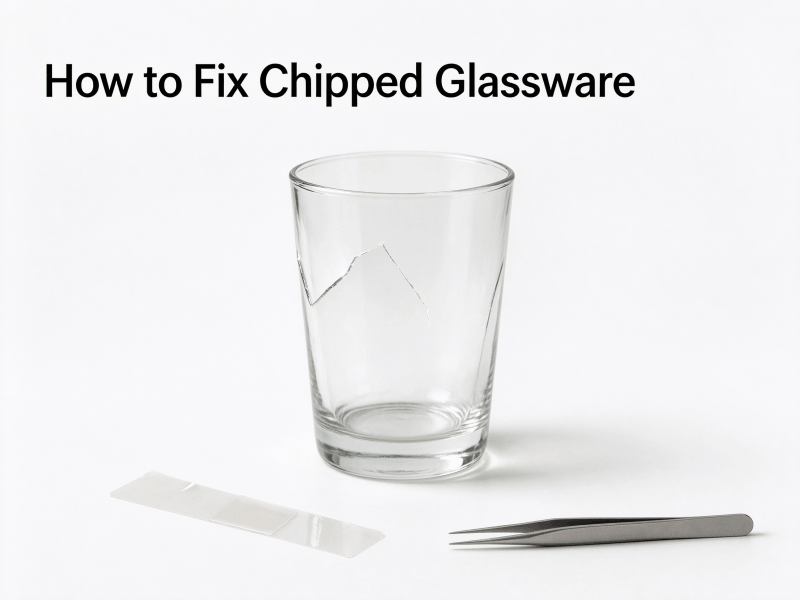
Usually no. Professional repair costs more than the value it restores for common pieces, and many buyers want untouched originals. For a rare signed item, ask a specialist first, since restoration can either help or hurt depending on the collector market. If the piece is insured, also check whether a repair affects any claim before you alter it.
Can I sell crystal glassware internationally?
Yes, through large online marketplaces and auction houses that ship worldwide. The limits are shipping cost and breakage risk. Use double boxing and insurance, and state that the buyer accepts fragile item risk since cross-border returns on broken glass are hard to resolve. Note that some countries restrict imports of lead crystal, so check the destination rules before listing to a global audience.