Glass bottles can be recycled forever without losing quality. A bottle tossed in a landfill could sit there for a million years. Yet about 33% of glass containers in the U.S. still end up in the trash, according to the Glass Packaging Institute. The reason is not apathy. Most people just do not know where to take them, especially since a growing number of cities have dropped glass from curbside pickup.
You can recycle glass bottles near you through municipal drop-off depots, retailer collection bins at grocery stores, bottle deposit redemption centers that pay 5 to 15 cents per container, and scrap yards that accept bulk glass. Earth911.com and your city’s waste management website are the two fastest ways to locate a facility. If you want the full step-by-step, see this guide on how to recycle glass bottles.
The right option depends on where you live and how much glass you have. A household with a few bottles a week needs a different solution than a restaurant producing cases of empties. Below, each path is broken down.

How Glass Bottle Recycling Actually Works
Recycled glass bottles are crushed into cullet, melted, and formed into new containers. The process uses 30% less energy than making glass from raw materials and repeats indefinitely.
Glass recycling follows a tight loop. Bottles collected from bins or drop-offs go to a materials recovery facility where they are sorted by color and stripped of contaminants. The sorted glass is then crushed into cullet at a processing plant.
From there, the cullet reaches a glass bottle manufacturing plant. It mixes with silica sand, soda ash, and limestone, then enters a furnace at roughly 2,600 degrees Fahrenheit. The molten glass hits molds and becomes new bottles in under 10 seconds. A batch of cullet can go from your bin back to a store shelf in as few as 30 days.
Where Can I Recycle Glass Bottles Near Me for Free
Free options include municipal transfer stations, grocery store collection bins, community recycling events, and Earth911’s online locator tool. Most cities run at least one free drop-off depot.
Start with your city’s waste management website. Type in your ZIP code and search for “recycling drop-off” or “transfer station.” Many cities operate free depots that accept glass with no residency requirement.
Retailers are the next stop. Grocery chains and big-box stores like Target and Walmart sometimes keep glass-only bins in their parking lots. Call ahead. These programs depend on local hauling contracts and change without notice.
Earth911.com covers over 350 materials. Enter “glass bottle” and your ZIP code, and it returns nearby facilities with hours and accepted materials. Small independent recyclers that do not show up on city websites appear here. If nothing surfaces within 10 miles, widen the radius to 20 or 30 miles.
Community recycling drives also happen throughout the year. Townships and nonprofits run one-day collection events in school parking lots. Search Facebook Events or Nextdoor for “glass recycling event” plus your county name. Before heading out, remove labels and rinse the bottles. Most facilities reject containers with food residue or sticky adhesive.
Where to Recycle Glass Bottles for Money
Ten states run bottle deposit programs: California, Connecticut, Hawaii, Iowa, Maine, Massachusetts, Michigan, New York, Oregon, and Vermont. They pay 5 to 15 cents per returned glass bottle at supermarket reverse vending machines and redemption centers.
Bottle bills are the only way to get cash for glass bottle returns in the U.S. Michigan pays 10 cents, the highest rate. Most others pay 5 cents. Oregon raised its deposit to 10 cents in 2017 and saw redemption rates climb past 80%.
The process is straightforward. Take empties to a redemption center or grocery store reverse vending machine. The machine scans barcodes, confirms the bottle was purchased in-state, and prints a receipt. Take the receipt to the counter to receive cash or a grocery credit.
Outside of bottle bill states, getting paid means selling bulk quantities. Scrap dealers pay $10 to $30 per ton of mixed cullet. A household would need thousands of bottles to reach one ton, so this only works for bars, restaurants, and event venues.

How to Prepare Glass Bottles for Recycling
Remove all caps, lids, corks, and pour spouts. Rinse bottles to remove food and drink residue. Labels can stay on in most programs. Place loose bottles directly in the bin. Do not bag them.
Metal caps and plastic spouts melt at different temperatures than glass. They create impurities in the finished cullet. A single ceramic mug in a batch can ruin an entire furnace run. Remove everything from the bottle. Corks go in the trash or compost. Metal lids can go in your metal recycling bin.
Rinsing matters. Sugar residue attracts pests at sorting facilities. Oil and sauce remnants contaminate paper bales when glass shards mix in during transport. A quick rinse with cold water is enough. No soap. Let bottles dry upside down before drop-off.
The plastic bag mistake is common. Recyclers need loose bottles for color sorting. A tied bag of glass gets tossed straight into the landfill stream. No one opens bags on a conveyor belt. Empty bottles directly into the bin and reuse or trash the bag. For businesses ordering new containers, bulk glass bottles from a direct supplier reduce packaging waste from the start.
FAQs
Q: Can I recycle broken glass bottles in my curbside bin?
A: Most curbside programs reject broken glass because shards injure workers and contaminate other recyclables. If your program accepts it, wrap shards in newspaper and label the bundle before placing it in the bin.
Q: Can Pyrex, window glass, or drinking glasses go in with bottle recycling?
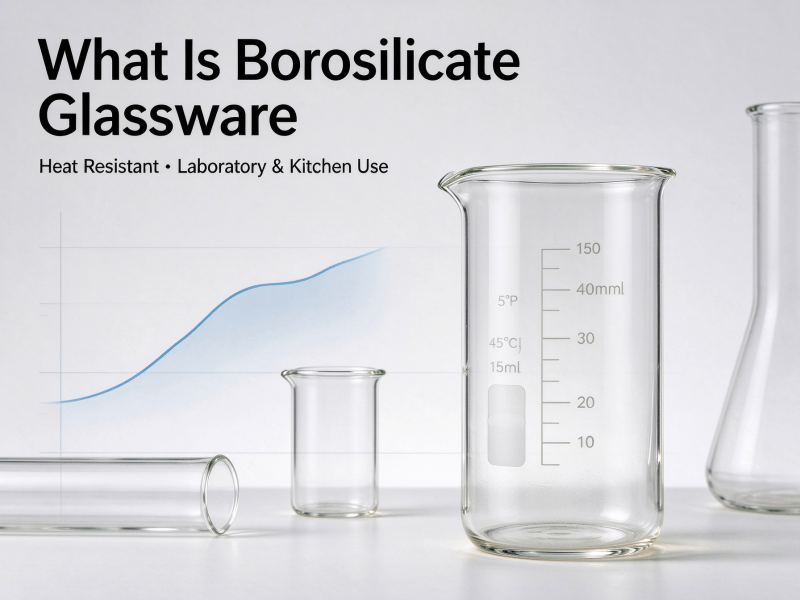
A: No. These items have different chemical compositions and melting points than container glass. A single piece of Pyrex can ruin an entire furnace load. Only food and beverage containers belong in the glass recycling stream.
Q: How much money can I get for recycling glass bottles?
A: In bottle deposit states, 5 to 15 cents per bottle. Outside those states, scrap glass sells for $10 to $30 per ton, so individual households earn almost nothing. Businesses that need large volumes should contact a glass packaging supplier about wholesale recycling programs or take-back agreements.