A tumbler glass sits on a flat base, has no stem and no handle. That’s the whole definition, and it covers more glassware than most buyers expect. If you’re stocking a bar, outfitting a hotel, or sourcing private-label drinkware, the tumbler family is usually where most of your budget lands.
A tumbler and glass is a flat-bottomed, stemless drinking glass you hold by the body rather than by a base or handle. The shape covers rocks, highballs, Collins, pints, and everyday water glasses, with capacities from roughly 6 oz up to 20 oz. What makes a glass a tumbler is the flat base and the absence of a stem, not the size or the drink inside it.
This guide covers what counts as a tumbler, the main shapes and their capacities, what each one is used for, and what to verify before you place a bulk order.
What makes a glass a tumbler
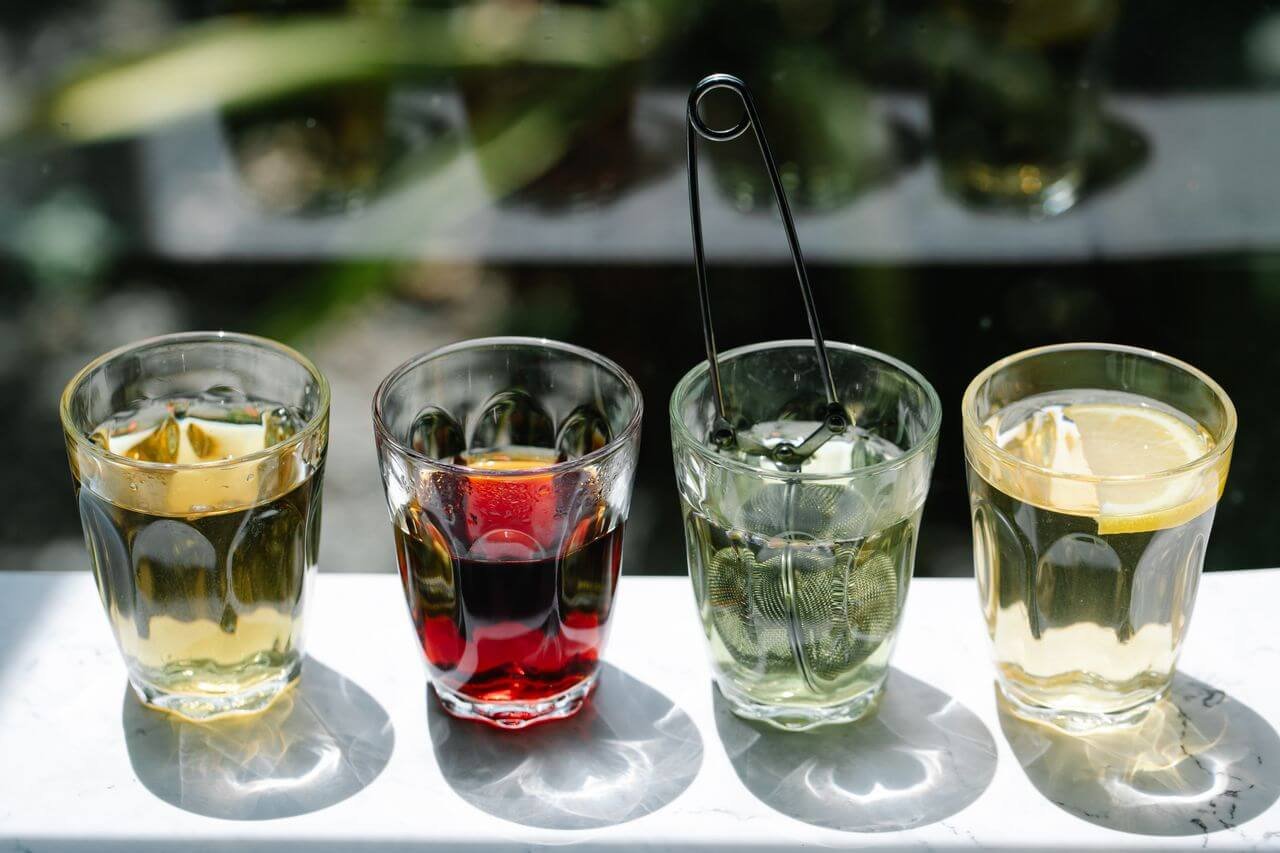
A glass is a tumbler if it stands on a flat base, has no stem and no handle, and is held by the body. Remove any of those three conditions, and it belongs to a different category.
The word comes from an older form. Early versions had a rounded or pointed base and could not be set down without falling over, so they would “tumble.” Modern tumblers almost all use a flat base, which is more stable and easier to stack.
The practical way to sort glassware is by how it stands and how you hold it:
| Category | Stands on | Held by | Typical use |
|---|---|---|---|
| Tumbler | Flat base | Body of the glass | Water, spirits, mixed drinks |
| Wine glass | Stem and foot | Stem | Wine, sparkling wine |
| Flute | Stem and foot | Stem | Champagne, sparkling wine |
| Coupe | Stem and foot | Stem | Champagne, cocktails |
| Mug | Flat base | Handle | Coffee, tea, hot drinks |
A stemmed water goblet holds as much as a large tumbler, but the stem puts it in a different family. Buyers who mix these categories when writing a spec sheet end up with mismatched sets.
What is considered a tumbler glass
Three conditions decide it: a flat base, no stem, and no handle. Capacity is not part of the definition, which is why the family spans such a wide range.
Most tumbler glasses fall between 6 oz and 20 oz. Anything smaller is usually a shot glass, which has a thicker base and walls. Anything with a handle is a mug, even when it looks like a tumbler otherwise. Covered travel tumblers with lids, straws, or insulation are tumblers by shape, but they’re built for portability rather than table service, so they sit in a separate product line.
Where to buy tumbler glasses
Sets are usually the fastest way to cover the everyday end of a program. A glass cup set typically bundles matching tumblers in one capacity and one finish, which keeps table settings uniform without a long spec conversation.
Common tumbler shapes and what they serve
The main tumbler shapes are rocks, highball, Collins, and pint, plus double-wall versions for temperature control. Each shape exists to serve a different drink format.
Shape is not decoration. Height and diameter control how much ice fits, how quickly carbonation escapes, and how much mixer a drink can take before it gets crowded.
| Type | Typical capacity | Height | Diameter | Serves |
|---|---|---|---|---|
| Rocks / old-fashioned / lowball | 6–10 oz | 3–4 in | 3.5–4 in | Spirits neat, on the rocks, short cocktails |
| Double old-fashioned | 12–16 oz | 3.5–4.5 in | 3.5–4 in | Larger spirit pours, drinks over ice |
| Highball | 8–12 oz | 5.5–6 in | 3 in | Gin and tonic, rum and cola, whiskey soda |
| Collins | 10–14 oz | 6.5–7 in | 2.5–3 in | Tom Collins, Long Island iced tea, tall sours |
| Pint | 16–20 oz | 6–8 in | 3–4 in | Beer, iced tea, water service |
| Everyday / water tumbler | 12–16 oz | 4–5.5 in | 3–3.5 in | Water, juice, soft drinks |
| Double-wall tumbler | 10–12 oz | 4–5 in | 3–3.5 in | Hot and cold drinks |
Rocks, old fashioned, and lowball glasses
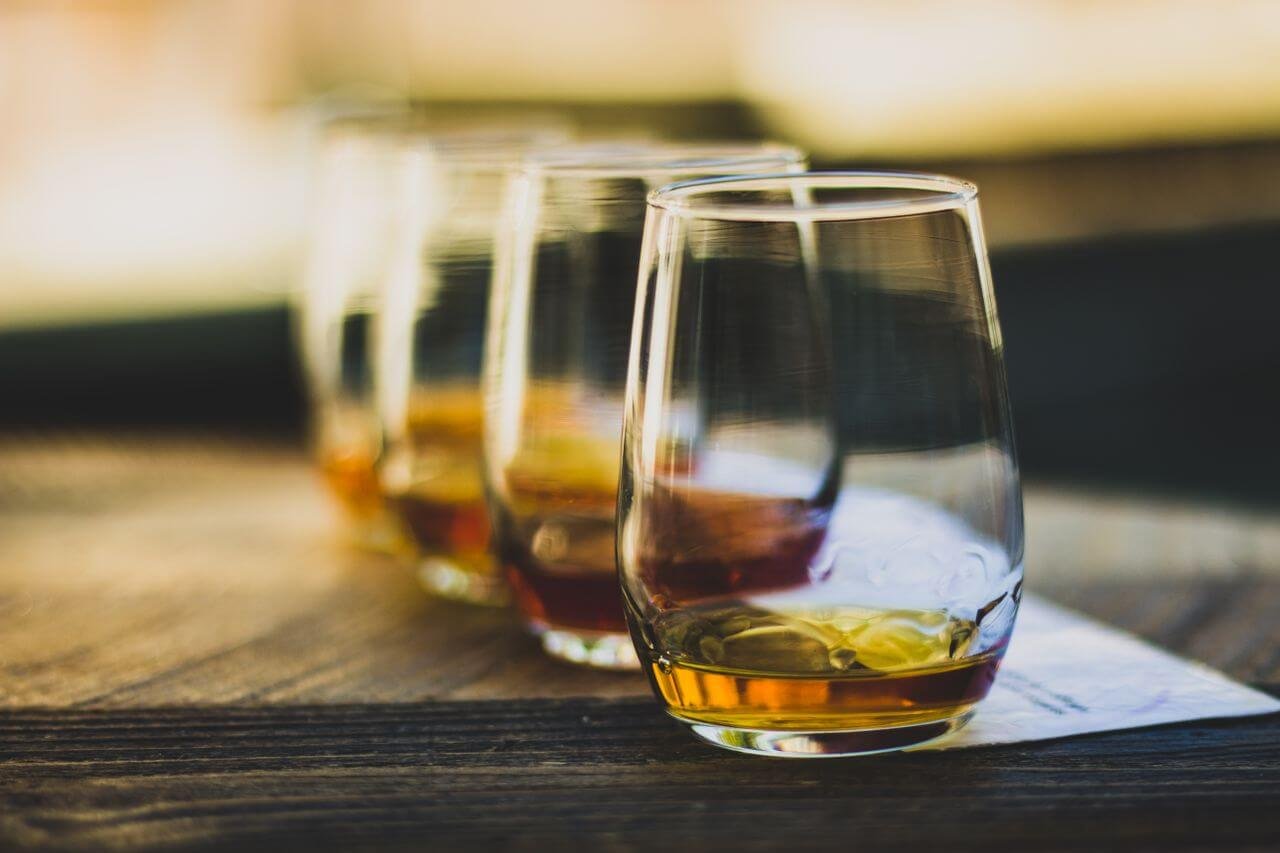
The rocks glass is short, wide, and heavy at the base. The width makes room for a large ice cube or a sphere, and the thick bottom keeps the glass steady while you stir or muddle. A 2 oz pour of whiskey looks deliberate in a rocks glass and looks abandoned in a highball, which is the simplest argument for keeping both. The double old-fashioned is the same shape, scaled up for a bigger pour.
Highball and collins glasses
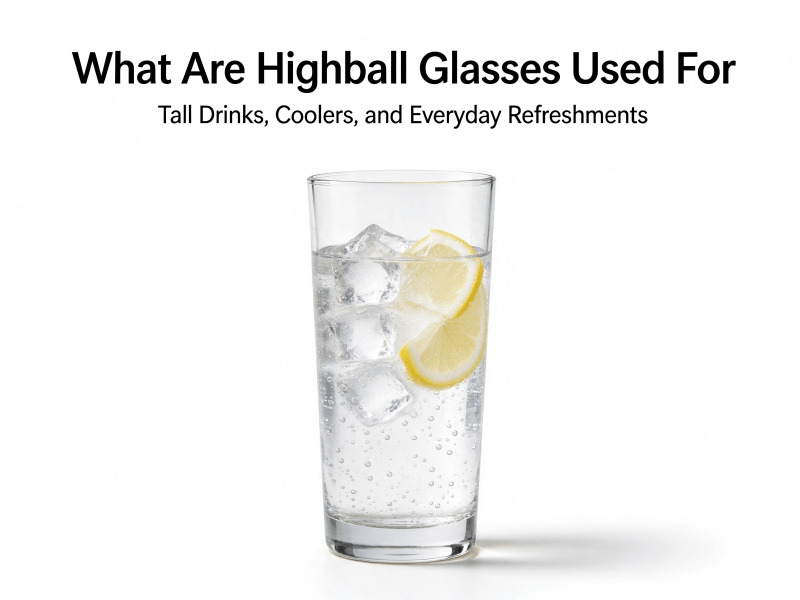
Both are tall and slim, built for a drink served over a full glass of ice with a generous mixer. The highball runs 8–12 oz, and the Collins 10–14 oz. The straight sides slow carbonation loss compared with a wide bowl, which is why gin and tonic lives here. Most home bars don’t need both; the highball covers Collins-style drinks well enough. Bars running a long cocktail list usually keep both so the taller drinks look properly filled.
Pint and everyday tumblers
Cylinders in the 12–20 oz range cover water service, iced tea, juice, and beer. These are the workhorse glasses in restaurants and institutional dining because they stack, wash, and replace easily. Capacity creep is worth watching: a 14 oz glass that looks full holds a smaller pour than the menu assumes.
Double-wall tumblers
Double-wall tumblers use two layers of borosilicate glass with a gap between them. The gap insulates, keeping hot drinks warm and cold drinks cold while stopping condensation from forming outside. They cost more per piece than single-wall glass and don’t stack as tightly, so most buyers reserve them for premium service, hotel rooms, or gift sets.
What tumbler glasses are used for
A tumbler glass covers almost every drink that isn’t wine or sparkling wine, which is why the shape dominates bar and table service. The point of a tumbler is that one shape handles water, juice, spirits, and mixed drinks, so a program needs fewer distinct glasses.
That flexibility is also why glassware buyers consolidate around tumblers when they’re trying to cut the number of SKUs they stock.
At home and in the kitchen
Households use tumblers for water, juice, iced coffee, and everyday soft drinks. They also do double duty as storage: a lidded tumbler or straight-sided jar holds dry goods, cutlery, or loose items on a shelf. Buyers who want to keep cabinets tidy standardize on one or two capacities, and matching glassware storage containers to those capacities keeps the shelf from turning into a mix of odd sizes.
In restaurants, bars, and hotels
Commercial service puts tumblers through more than home use ever will. Repeated dishwasher cycles, stacking, and fast handling chip rims and bases, so commercial-grade tumblers use thicker walls, reinforced bases, and fire-polished rims. Properties running multiple outlets benefit from one uniform shape: staff replace glasses between sites without a matching problem.
Events and glassware rental
Rental fleets favor tumblers because breakage costs less than it does with stemware. A chipped tumbler is a few dollars to replace; a snapped stem is several times that. Rental operators also count tumblers in rack quantities. The common planning figure for rental orders is to add 10 to 15 percent over the guest count to cover breakage and spares during service.
What to check before buying tumbler glasses
Capacity alone is a weak spec. Check the glass base, rim finish, wall consistency, and stacking height, because those decide breakage rates and storage efficiency once the order is in daily use.
Two buyers can order the same nominal capacity and get very different results. The differences show up in how the glasses survive a dishwasher, how they sit on a shelf, and how quickly the set starts looking uneven.
| Priority | Home use | Commercial use |
|---|---|---|
| Highest | Shape and finish | Wall thickness and base reinforcement |
| High | Stackability in cabinet | Rim finish and chip resistance |
| Medium | Dishwasher safety | Stacking height for storage density |
| Medium | Price per piece | Replacement supply and batch consistency |
| Lower | Branding options | Branding options |
Material and food-contact compliance
Clear soda-lime glass covers most everyday tumblers and gives clean clarity at a low cost. Borosilicate handles thermal shock better, so it’s the material to specify for glasses that will take hot liquids or move between hot and cold quickly.
Food-contact rules matter more than most buyers expect, and the risk usually sits in the decoration rather than the glass itself. In the US, FDA guidance on lead and cadmium in ceramicware and glassware sets extractable limits for cups, mugs, and tumblers at 0.5 mg/L for both metals when tested on the food-contact surface, with separate limits for the lip and rim area under ASTM C927. Clear glass rarely causes a problem. Printed logos, colored bands, and enamel coatings do, and they fail most often when the decoration sits too close to the lip. Test the decorated article, not the blank, and keep the report tied to the finished SKU.
Durability and stacking for commercial use
Three things decide how a tumbler holds up: wall thickness consistency, base reinforcement, and rim treatment. Uniform wall thickness prevents weak spots that crack under thermal stress. A thick base resists chipping when glasses are set down hard. A fire-polished rim removes the micro-cracks that start a chip.
Stacking height is the quiet cost driver. Glasses that stack deep let you store more per shelf. Deep stacking also increases contact between rims and bases, so stack only within a shape and never mix heights.
Sizes and capacity planning
Work backward from the drink, not forward from the shelf. A spirit, plus ice, plus a small amount of water fits a 6–10 oz rocks glass. A spirit plus 4–6 oz of mixer plus ice needs 12–14 oz of space. Add a little headroom for garnish and carbonation, and the capacity picks itself.
The common mistake is ordering on capacity and ignoring diameter. A 14 oz glass with a 2.5 in opening looks full with less liquid than the same capacity with a 3.5 in opening, and the difference shows up as portion disputes at the bar.
Custom tumblers and OEM options
Custom tumbler programs usually cover capacity, height, diameter, mouth opening, surface finish, and branding method. The variables that matter most for consistency are wall thickness tolerance and decoration placement.
Buyers approach customization for different reasons. Some need a house shape that no catalog offers. Others just need a logo on a standard tumbler, which is simpler and cheaper. Being clear about which one you need saves a round of samples.
Branding methods compared
| Method | Durability | Best for | Notes |
|---|---|---|---|
| Screen printing | Moderate | Single or few colors, high volume | Fades faster than fired decoration |
| Fired enamel / decal | High | Multi-color logos, premium lines | Highest compliance scrutiny |
| Etching or engraving | Very high | Minimal designs, permanent marks | Cannot be removed or recolored |
| Frosting and coating | Moderate | Full-surface color, texture | Watch lip-area contact |
Decoration near the lip is the part to flag early. Even a durable method carries risk if the applied color touches the drinking surface, so agree on placement in the drawing stage rather than after firing.
Storage, packing, and shipping
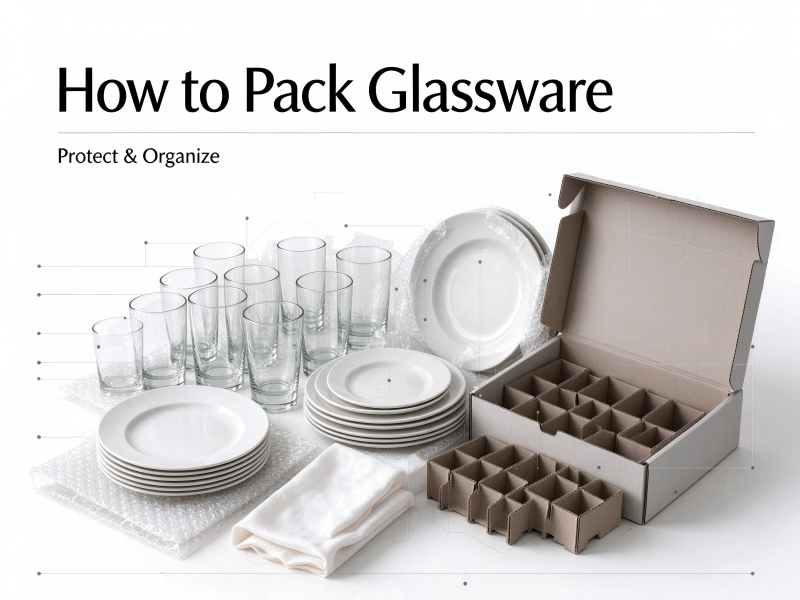
Glass is heavy and fragile in transit, so packaging carries a real cost. Bulk orders ship in stackable racks or partitioned cartons, and the packing method should match how the receiving site will store the glasses. Warehouses that store by rack want rack-packed cartons. Retail programs often want retail-ready packaging with the SKU marked per carton.
How to care for tumbler glasses
Wash tumblers in a dishwasher on a cycle that avoids sudden temperature change, dry them fully before storing, and never stack glasses of different heights. Most breakage traces back to thermal shock or rim-on-rim contact, not to normal use.
Storage is where glassware quietly degrades. Dust and residue from a damp cabinet etch the surface over time, and stacking mismatched shapes puts pressure on rims that aren’t built for it.
A few rules cover most of it:
- Let glasses reach room temperature before washing if they’ve held ice or hot liquid.
- Space glasses so they don’t touch during the cycle, or use a rack with dividers.
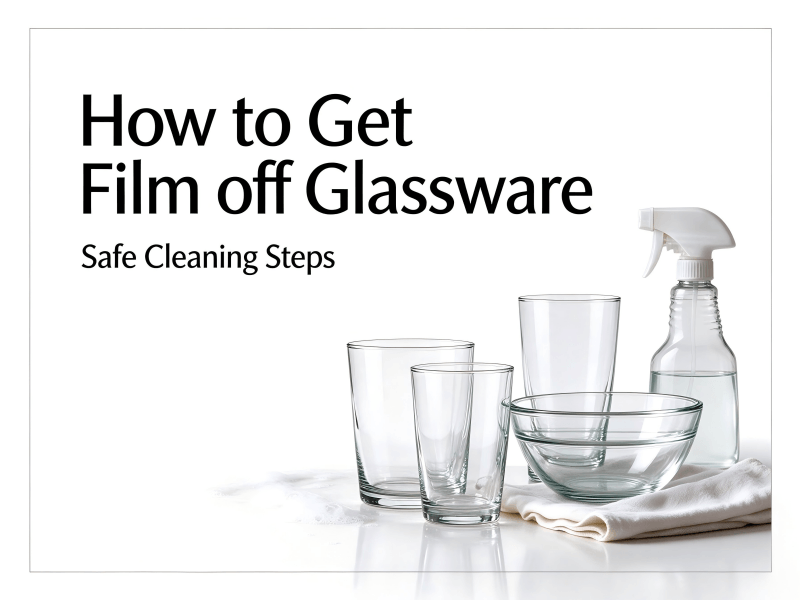
- Dry completely before storing. Trapped moisture leaves water spots and a film.
- Store upright or rim-down on a clean shelf, never rim-down on a surface that hasn’t been cleaned.
- Keep different heights in separate rows so the bases don’t land on rims.
Dishwasher-safe claims vary by decoration. A plain glass tumbler usually handles commercial cycles without a problem. A printed or coated glass may lose its finish long before the glass itself fails, so check the finish spec separately from the glass spec.
FAQ
Can tumbler glasses be used for hot drinks?
Only if the glass is made for it. Borosilicate handles hot liquids without cracking, while standard soda-lime glass is more sensitive to sudden temperature change. The risk comes from thermal shock, not from the heat itself, so pouring boiling liquid into a cold glass is where problems start. Let the glass warm gradually and check the manufacturer’s temperature rating before using tumblers for hot service.
What is the difference between a tumbler and a mug?
A mug has a handle, and a tumbler doesn’t. That’s the dividing line, even when the two look similar in shape and capacity. Mugs are built for hot drinks and often have thicker walls to hold heat. Tumblers are built for cold service and for drinks you hold by the body. A lidded glass travel cup sits between the two: it’s a tumbler by shape, but the lid and insulation put it in a different product category.
Are glass tumblers suitable for commercial dishwashers?
Yes, provided the glass is specified for it. Commercial cycles run hotter and use stronger detergents than home machines, so wall thickness and rim finish matter more than they do at home. Plain glass tumblers generally hold up well. Decorated glasses are the ones to watch, because the print or coating can fade or lift long before the glass chips. Confirm the wash-cycle rating with your supplier and keep a small reserve stock for replacements.