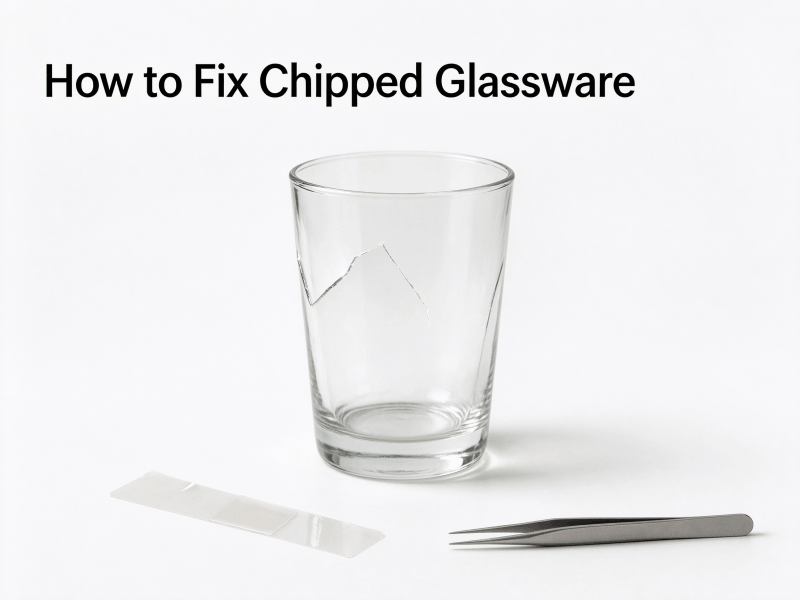
Broken glassware shows up in every home and business, from a chipped drinking glass in the kitchen to a shattered storage jar in a warehouse. Investing in sturdier pieces such as glass jars with lids is part of the long-term fix, because thicker glass withstands the everyday knocks that cause most breaks. Most people handle it the wrong way: they sweep the shards into the trash unprotected, or worse, drop them into the recycling bin and hope for the best. That habit causes thousands of painful injuries every year and creates real problems for sanitation workers who sort waste by hand.
The safest way to dispose of broken glassware is to sweep and blot the area clean, seal the shards inside a rigid, puncture-resistant container, label it clearly as broken glass, and set it out only where your local program allows loose or contained glass in the regular stream. Never place loose shards in recycling, and never leave them where a bag could split open during collection.
The sections below walk through the right method for every situation, from a cracked tumbler to a smashed storage container, and show how choosing durable glassware in the first place keeps the breakage cycle from repeating.

How do you dispose of broken glass at home
At home, the priority is protecting your hands and feet, so sweep the big pieces first, blot the dust with a damp paper towel, and only then double-wrap the shards before they leave the house.
Start with a dry sweep using a broom and dustpan, not your bare hands. Even after the visible pieces are gone, tiny fragments stay behind, so press a damp paper towel or piece of bread against the floor to pick up what the broom missed. Once everything is collected, the key step is containment: wrap the shards in at least two layers of newspaper or a thick towel, drop the bundle into a rigid container, and tape it shut.
The cleanup sequence
A calm, repeatable routine prevents the second injury that happens while you are cleaning up the first one.
- Clear the room of pets and children before you start.
- Sweep from the outside of the spill inward to avoid spreading fragments.
- Use a damp paper towel to lift fine dust and micro-shards.
- Wrap all material in newspaper and place it inside a rigid container.
- Label the container and keep it away from the regular trash until collection day.
Common mistakes to avoid
People reach for the vacuum first, but a standard vacuum can fling shards across the room or shred the hose. Others toss broken pieces straight into a thin kitchen bag, which tears easily and exposes whoever handles it next. Both habits turn a small accident into a larger one.
What is the best way to dispose of broken glass
The best method depends on your local waste program, but a sealed rigid container labeled as broken glass is the universal safe choice that works in almost every municipality.
If your city accepts contained glass in the regular trash, that labeled container is all you need. If it runs a household hazardous waste or glass-only drop-off program, that same container becomes your drop-off vessel. Recycling broken glass through the curbside bin is the one option to avoid, because shards contaminate the stream and endanger sorters.
Comparing your disposal options
| Method | When it works | Main risk |
| Sealed rigid container in regular trash | Local rules allow contained glass | Wrong if ordinance bans all glass |
| Household hazardous waste drop-off | The city runs scheduled collection days | Inconvenient timing |
| Glass-only recycling center | A dedicated facility exists nearby | Not for mixed or contaminated shards |
| Loose in curbside recycling | Almost never | Contamination and sorter injury |
The table makes the pattern clear: containment is non-negotiable, and recycling loose shards is the outlier you should skip. Planning ahead with proper glass storage jars also reduces how often you face this problem, because sturdy containers survive bumps that thin tumblers do not.

Can I put broken glass in the waste bin
You can put broken glass in the waste bin only if your municipality allows it and the glass is fully contained inside a sealed, rigid package. Loose shards are usually banned from both the trash and the recycling stream.
Many cities treat loose broken glass as a contamination hazard rather than ordinary refuse. Recycling facilities in particular reject it, because a single sharp fragment can cut a worker or jam sorting equipment. Even where trash collection is permitted, the rule almost always requires the glass to be wrapped and boxed first.
Why recycling rejects broken glass
Curbside recycling is built for whole, sorted containers. When a jar or bottle shatters, the fragments mix with paper and plastic, and there is no economical way to separate them again. That is why most programs ask you to keep broken glass out of the blue bin entirely.
Reading your local rules
Waste rules vary block by block, so the reliable move is to check your city’s waste authority website before collection day. Some areas supply free broken glass disposal container kits, while others simply ask for a labeled box. A two-minute check spares you a rejected bin and a possible fine.
How to dispose of large broken glass
Large broken glass, such as a shattered serving bowl, a big storage vessel, or a sheet from a framed display, needs a rigid box, heavy tape, and, in some cases, a special bulky-waste pickup rather than the ordinary bin.
Bigger pieces cut deeper and travel farther when they fall, so containment has to scale up. Slide the shards into a small moving box or a plastic storage tub, cushion the gaps with newspaper, seal the lid with packing tape, and write “broken glass” on every visible side. If the item is too large to box, call your waste management office and ask about a bulky-item appointment.
When to call for help
Contact your local waste authority before attempting to move anything wider than a dinner plate or longer than your forearm. Professional collection protects both you and the crew, and it is usually free for residents on scheduled days.
Protecting the people who collect it
Sanitation workers handle thousands of bags a shift. A rigid, labeled container tells them exactly what is inside, so they can route it safely instead of discovering it with their hands. That single habit does more to prevent injury than any cleanup trick after the fact.

What waste management programs accept broken glass
Most cities accept broken glass through one of three routes: contained regular trash, scheduled household hazardous waste events, or a dedicated glass drop-off point, and the right route depends on what your local program offers.
Household hazardous waste days are the safest bet in cities that run them, because trained staff handle the material directly. Glass-only drop-off centers are common in regions with active recycling incentives, while contained-trash acceptance is the fallback where no special program exists.
Finding the right program
Search your city or county waste authority site for terms like “broken glass,” “sharps,” or “special waste.” Many authorities publish a printable guide that lists accepted items and collection dates, which saves a wasted trip with a box the facility cannot take.
Why programs differ by location
Glass is heavy, sharp, and expensive to sort, so each municipality builds the system it can fund. A rural county may only offer contained trash, while a dense city might run monthly drop-offs. Matching your method to the local option is what keeps the glass out of the wrong stream.
Choosing a broken glass disposal container
Use a puncture-resistant, rigid container such as a labeled plastic tub, a taped cardboard box, or a double-bagged metal can, because the goal is to stop shards from escaping before collection.
The container does not need to be fancy, but it must hold its shape and resist a sharp edge pushing through. A rigid plastic food tub with a snap lid works well for a single glass, while a small moving box handles a larger break. Whatever you choose, seal it and mark it. When you replace what broke, sourcing custom glassware from a manufacturer that controls thickness and tempering gives you pieces that are far less likely to shatter in the first place.
Container options compared
| Container | Best for | Watch out for |
| Plastic storage tub | One to several pieces | The lid must snap shut |
| Taped cardboard box | Larger or bulky breaks | Keep it dry |
| Double-bagged metal can | Small shards only | Can rust if damp |
| Original packaging | Recent purchases | Rarely available |
A good broken glass disposal container is the difference between a safe handoff and a torn bag on the curb. Building the habit of storing spare rigid tubs under the sink means you are never caught without one when a glass gives way.
Is it illegal to throw away glass
In most places throwing away glass is not illegal, but many local ordinances fine improper disposal or require specific containment, so “allowed” and “unrestricted” are not the same thing.
The law usually targets the risk, not the material. Tossing loose shards where they can cut someone is what draws penalties, while a sealed, labeled container generally satisfies the rule. A few regions go further and ban all glass from landfills, pushing residents toward recycling or drop-off instead.
Where rules get strict
Cities with pay-as-you-throw or zero-waste goals tend to write the tightest rules, because loose glass raises handling costs and contamination rates. Checking the ordinance once saves repeated surprises on collection day.
The cost of getting it wrong
Fines are only part of the picture. A contaminated recycling load can be rejected wholesale, sending an entire truck to the landfill. Proper containment protects your wallet and the wider system at the same time.

Replace and store glassware the smart way
After a break, the smart move is to replace the lost piece with durable, well-made glassware and store what you keep so the accident does not repeat, because the right product choice prevents most shatters before they start.
When you need replacements, working with a manufacturer that controls material quality matters more than chasing the lowest price. Holinglass produces custom glassware for businesses and homes, using lead-free, high-clarity glass built to survive daily use rather than thin pieces that crack on the first bump. For pantry and kitchen organization, their storage jars seal tightly and resist the chips that cheaper containers develop at the rim. If you are restocking drinkware, the glass cup sets from Holinglass pair borosilicate durability with a clean, modern look that holds up through years of dishwashing.
Why material choice prevents breakage
Borosilicate and thick lead-free glass tolerate temperature changes and minor impacts far better than thin soda-lime tumblers. Choosing that quality up front means fewer shards on the floor and fewer disposal runs later.
Storage habits that reduce accidents
Good storage is half the prevention. Keep heavy items low, avoid stacking rim-on-rim, and use a dedicated glassware cabinet or shelf with non-slip liners so pieces cannot slide into each other. For event venues and catering teams that rotate stock through glassware rental cycles, the same logic applies: durable sets survive the wash-and-return loop, and searching “glassware near me” usually points to suppliers who already meet commercial durability standards.
Talk to a glassware specialist
If you manage a business, a restaurant, or a retail line, the cheapest long-term answer is to spec glassware that fits your actual use. Holinglass supports OEM and custom orders, so you can match capacity, thickness, and branding to the way your team handles glass every day. Reaching out for a consultation is the fastest way to cut replacement frequency and the disposal headaches that come with it.
FAQ
Can you put broken glass in a garbage disposal
No, you should never put broken glass through a garbage disposal. The shards will damage the blades, scatter inside the unit, and likely wash into the drain where they can cut anyone who later clears a clog. Sweep, contain, and trash the pieces instead.
How do you dispose of broken glass from a picture frame or mirror
Treat framed glass and mirrors as a separate job, because they often carry coatings or reflective layers that some programs will not accept in the regular bin. Wrap the shards in newspaper, seal them in a rigid box, and check with your waste authority, since mirrors and window glass may need a construction-debris or special-waste route.
Should I wear gloves when cleaning up broken glass
Yes, wear thick household or gardening gloves while you sweep and wrap, then switch to a damp paper towel for the fine dust so you are not pressing bare skin near micro-shards. Gloves lower the risk of a deep cut, but they do not replace careful containment before disposal.