Restaurants, bars, and home buyers often assume one “lowball glass” size fits every recipe. In practice, the capacity of these short tumblers varies more than most people expect, and that gap matters for portion control, shelf space, and inventory planning. Whether you run a cafe, stock a retail line, or simply want the right vessel for a whiskey pour, knowing the real numbers saves money and keeps sets consistent.
A standard lowball glass holds 6 to 8 ounces of liquid, which is why it is also called a “rocks” or “old fashioned” glass. A larger version, the double old-fashioned, holds 10 to 12 ounces and is built for bigger pours and mixed drinks.
The sections below break down exact sizes, compare lowball glasses with other common glassware, and explain what to look for when you buy, store, or brand them for a business.

How many ounces are in a lowball glass
Most lowball glasses hold between 6 and 8 fluid ounces, with 8 ounces being the most common single-serve size sold to bars and restaurants. The double old-fashioned version stretches to 10 to 12 ounces for guests who want more room for ice and mixers.
The number on the box rarely tells the whole story. A glass rated at 8 ounces usually measures to the rim, but a practical pour stops well below the top. Bars train staff to fill to a marked line, often around 6 ounces, so the drink looks balanced and does not spill when ice is added. That gap between rim capacity and served capacity is the first thing to check before you place a bulk order.
If you are stocking a venue, you will likely need full glass cup sets rather than loose singles, because a matched set keeps the bar looking uniform and simplifies replacement. When capacity matters for recipes, ask suppliers for the fill line, not just the rim number.
Wall thickness also changes the feel. A thin-walled 8-ounce lowball can look larger than a thick-walled one with the same capacity, which surprises first-time buyers. For a business, the thicker wall often survives more dishwashing cycles, so the slight weight is worth it.
What is the typical size of a lowball glass
A typical lowball glass stands about 3 to 3.5 inches tall with a top opening of 2.5 to 3 inches and a base near 2 inches. The double old-fashioned is a bit taller and wider, which is why it reads as a heavier, more substantial tumbler.
The numbers below are the ranges you will see from most manufacturers. Small makers and custom lines can shift them, but these are the safe defaults for planning shelves and racks.
| Spec | Single lowball | Double old-fashioned |
| Capacity to rim | 8 to 9 oz | 12 to 14 oz |
| Practical fill | 6 to 8 oz | 10 to 12 oz |
| Height | 3 to 3.5 in | 3.5 to 4 in |
| Top diameter | 2.5 to 3 in | 3 to 3.5 in |
| Base diameter | 2 to 2.5 in | 2.5 to 3 in |
Height and diameter in practice
The short height is the defining trait. A lowball sits low in the hand, which is why it works for spirits served neat or on a single large ice cube. The wide top lets aromas open up, something a narrow glass cannot do as well.
Capacity versus visible fill
Buyers confuse rim capacity with serving capacity. A glass that holds 9 ounces to the brim may only be filled to 6 or 7 ounces in service. If your recipes are built around a specific volume, confirm the fill line with the factory so every glass performs the same on the floor.
How lowball glasses compare with other glassware
A lowball is shorter and wider than a highball and smaller than a double old-fashioned, which changes both serving size and drink style. Picking the wrong shape can throw off a recipe or make a cocktail look unbalanced.
The table below shows where the lowball sits among the glasses you will find in a typical bar or retail catalog.
| Glass type | Typical capacity | Height | Best for |
| Lowball (rocks) | 6 to 8 oz | 3 to 3.5 in | Spirits on ice, old-fashioned |
| Double old-fashioned | 10 to 12 oz | 3.5 to 4 in | Larger pours, sours |
| Highball | 10 to 14 oz | 5.5 to 6 in | Tall mixers, soda drinks |
| Collins | 12 to 16 oz | 6.5 to 7 in | Mojitos, long drinks |
| Shot | 1 to 2 oz | 2 in | Spirits tasting |
| Coupe | 5 to 7 oz | 3.5 in | Cocktails, sparkling wine |
Why shape changes the drink
A highball holds more liquid but stays narrow, which keeps carbonation and slows dilution. A lowball trades volume for surface area, which is better for stirred drinks and spirit-forward serves. Knowing this helps a buyer build a coherent lineup instead of random singles.
Where the lowball fits a set
Most venues do not buy lowball alone. They sit inside a broader family of tumblers and stemware. When you plan a purchase, think about how the lowball pairs with the highball and the double old-fashioned so the whole range feels intentional.

Why capacities differ between suppliers
Capacity shifts with wall thickness, glass shape, and whether the maker measures to the rim or to a practical fill line. Two glasses that look identical can hold noticeably different amounts once you account for these variables.
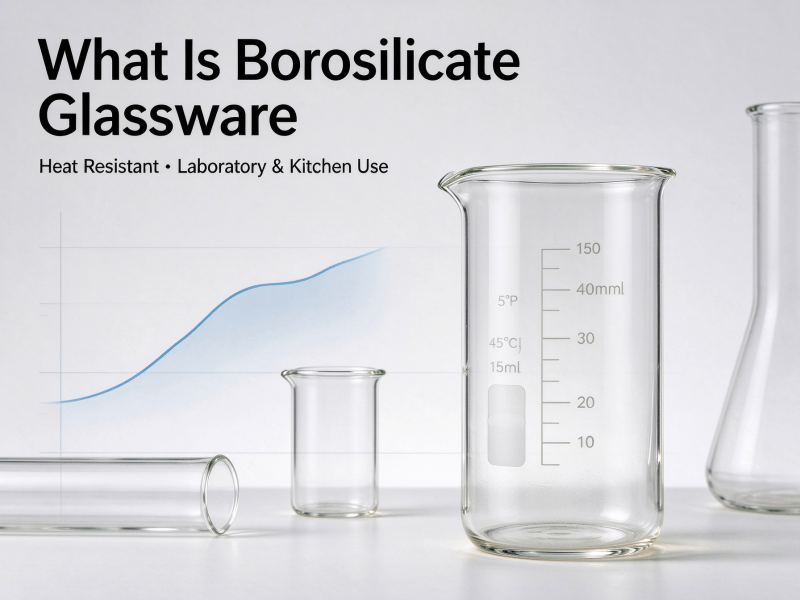
Soda-lime glass is the most common and least expensive option. Lead-free crystal and borosilicate alternatives feel lighter and clearer but cost more. Thicker walls reduce capacity slightly yet improve break resistance, which is why commercial buyers often accept a heavier tumbler.
Shape plays a role too. A straight-sided lowball holds a cleaner measured volume than a curved one, where the taper hides capacity near the base. If your recipes depend on precision, straight walls are easier to standardize across a large order.
Branded or promotional runs sometimes resize the mold to fit a logo, which can change capacity by half an ounce or more. Always request the spec sheet before committing, because a small shift adds up across thousands of units.
How to choose lowball glasses for a bar, cafe, or retail line
Pick lowball glasses by durability and stackability and whether you need custom branding before you compare price. The cheapest glass that breaks in month two costs more than a sturdier one that lasts years.
Start with use. A busy bar needs thick walls and a stable base that will not tip during a rush. A retail gift line can use thinner, more decorative walls where looks matter more than hard wear. Matching the glass to the job prevents returns and complaints.
Stackability saves shelf and rack space, but only if the glass is shaped to nest without sticking. Test a sample stack before a bulk buy because some designs wedge together and chip on separation. A good factory will flag this during sampling.
Custom branding is where a manufacturer earns its fee. Etching, printing, or embossing a logo turns a plain tumbler into a repeat-impression product for hotels and events. If you plan to resell under your own name, ask about minimum order quantities and sampling lead time up front.
How to store and display your glassware
Store glassware upright in a dry, padded cabinet and keep matching pieces together so sets stay complete. Proper storage prevents chips, dust, and the slow clouding that ruins a premium look.
Good glass storage jars are useful off the service floor too. Dry goods, garnishes, and small bar tools stay visible and sealed, which keeps a station tidy and speeds up service during peaks.
A dedicated glassware cabinet with adjustable shelves protects rims and bases from knock-damage. Line the shelves with a thin, non-slip mat so glasses do not slide when the door closes. Avoid stacking anything heavy above the glass zone.
For transport and long-term holding, glassware storage containers with dividers beat loose boxes every time. They stop pieces from touching, which is the main cause of hairline cracks that later become breaks. Label the containers by type so restocking is fast.
The broader point is that glassware storage is part of the product life, not an afterthought. A venue that stores well is replaced less often and presents a cleaner front of house, which customers notice even if they cannot name why.
Should you buy glassware sets or rent them
Buying glassware sets costs less over time than renting for any business that serves guests week after week. Rental makes sense for a one-off event, but recurring use quickly tips the math toward ownership.
When planners search for glassware rental or glassware rentals near them, they usually need coverage for a single wedding or trade show. For a restaurant, cafe, or hotel with daily service, the per-use fee adds up fast and gives you no asset at the end. Ownership also lets you control quality and branding.
The queer glassware near me reflects a real need: buyers want a supplier they can reach, sample from, and trust for repeat orders. A local distributor helps, but many businesses now work directly with a factory that ships worldwide, which removes the middle layer and improves margin.
Glassware studios, such as art and craft spaces, have a different need again. They want small, varied runs for classes and resale, where customization matters more than volume. A flexible manufacturer that accepts lower minimums serves this group better than a bulk-only plant.
Renting still has a place. If your peak demand spikes a few times a year, a hybrid model works: own your daily base set and rent the overflow. That keeps capital free while covering busy periods without shortage.

Why work with a custom glassware manufacturer
A custom glassware partner lets you control material, shape, capacity, and branding in one place, which is hard to get from a generic reseller. For a business building a recognizable line, that control is the difference between a commodity product and an owned one.
Working with a manufacturer means you can specify lead-free, food-safe glass and request samples before a full run. You also gain access to OEM and ODM services, so an existing mold can be tweaked or a new shape developed around your recipe and shelf space.
Speed matters as much as price. A supplier with a stable production line and export-ready packaging shortens the path from idea to shelf. Fast sampling lets you test a lowball size with real guests before committing to thousands of units.
If you are planning a new bar lineup, a retail gift range, or branded event glassware, talk to the team about your capacity, volume, and decoration needs. A short consultation usually surfaces options you would not find by browsing a catalog, and it keeps the first order on track.
Frequently asked questions
Is a lowball glass the same as a rocks glass?
Yes. “Lowball,” “rocks glass,” and “old-fashioned glass” describe the same short tumbler, typically 6 to 8 ounces. The names come from how the glass is used, not from a different shape, so you can treat them as interchangeable in most contexts.
Why do some lowball glasses look bigger but hold the same amount?
Wall thickness and taper create that illusion. A thick base and curved sides make a glass feel substantial while reducing true capacity. If volume accuracy matters for your drinks, compare the fill line and rim capacity rather than judging by eye.
How do I choose lowball glasses for a commercial bar?
Prioritize break resistance, a stable base, and stackability, then decide on branding. Sample a few units under real conditions before a bulk order, and confirm the factory can hold capacity and decoration consistent across the full run.