Understanding Whether Mason Jars Are Microwave Safe
The question are mason jars microwave safe is one of the most common concerns among people who use glass containers for meal preparation, food storage, beverages, and creative home projects. Mason jars have become extremely popular because of their durability, reusable design, classic appearance, and wide range of applications. From preserving homemade jam to preparing mason jar salads, overnight oats, drinks, desserts, and DIY decorations, mason jars are now part of the modern mason jar lifestyle.
However, when it comes to heating food, many users ask: can you microwave mason jars safely? The answer is more complicated than a simple yes or no.
In general, glass containers can sometimes be used in microwaves, but many traditional canning jars mason jars are not officially designed or guaranteed for microwave heating. Major manufacturers such as Ball® recommend using their jars primarily for canning, storage, and freezing according to proper guidelines rather than microwave or oven cooking.
The main risks are not related to the microwave energy itself but to:
- Sudden temperature changes
- Thermal shock
- Existing cracks or chips
- Metal components such as mason jar lids
- Uneven heating of dense foods
- Pressure buildup inside sealed containers
Before placing any mason jar in a microwave, users should understand the material, condition, and intended purpose of the jar.

Are Mason Jars Microwave Safe? The Complete Answer
So, are mason jars microwave safe?
The safest answer is:
Most standard mason jars are not officially rated as microwave safe, although some undamaged glass mason jars may tolerate short microwave heating when used carefully without metal lids.
Many people successfully heat beverages, sauces, and leftovers in glass mason jars, but manufacturers generally avoid guaranteeing microwave use because different conditions can cause glass failure.
For example:
| Situation | Microwave Safety Level |
|---|---|
| Room-temperature food in an undamaged glass jar | Lower risk |
| Cold jar directly from refrigerator into microwave | Higher risk |
| Frozen jar placed into microwave | Unsafe |
| Jar with metal lid or band attached | Unsafe |
| Cracked or chipped jar | Unsafe |
| Heating thick foods for a long time | Higher risk |
The safest choice for repeated microwave heating is a container specifically labeled as a microwave safe jar or microwave safe glass jar.
For customers who need heat-resistant glass solutions, HolinGlass provides customized glass container manufacturing using advanced glass materials, including borosilicate glass options designed for improved thermal performance. Our team supports OEM and ODM projects for food storage brands, kitchenware companies, and lifestyle product retailers worldwide.
What Is the Microwave Safe Symbol on a Mason Jar?
One of the most searched questions is:
What is the microwave safe symbol on a mason jar?
The microwave-safe symbol is usually a small icon showing:
- A microwave oven outline
- Several horizontal wave lines representing microwave energy
This symbol indicates that the manufacturer has tested the product for microwave use.
However, many traditional mason jars do not display a microwave safe symbol on mason jars because they were created primarily for preserving, canning, and storage.
How to Identify Microwave Safe Markings
| Symbol or Mark | Meaning |
|---|---|
| Microwave icon with waves | Tested for microwave use |
| Glass recycling symbol only | Indicates recyclable material, not microwave safety |
| Manufacturer instructions | The most reliable safety reference |
| No marking | Use caution |
If you are wondering how to tell if a jar is microwave safe, check:
- The bottom of the jar
- Product packaging
- Manufacturer instructions
- The material specification
The mason jar bottom often contains information such as brand markings, capacity, and manufacturing codes, but it may not confirm microwave compatibility.
How to Tell If a Jar Is Microwave Safe?
Many consumers ask:
How to tell if a jar is microwave safe?
Follow these steps:
1. Check Manufacturer Instructions
The most reliable method is reviewing the original product information. If the manufacturer does not mention microwave use, assume that the jar is not designed for heating.
2. Look for a Microwave Symbol
A verified microwave safe symbol on mason jars or other glass containers indicates that testing has been completed.
3. Check the Glass Material
Different glass types have different thermal characteristics.
| Glass Type | Microwave Performance |
|---|---|
| Soda lime glass | Common but more sensitive to thermal shock |
| Tempered glass | Better resistance |
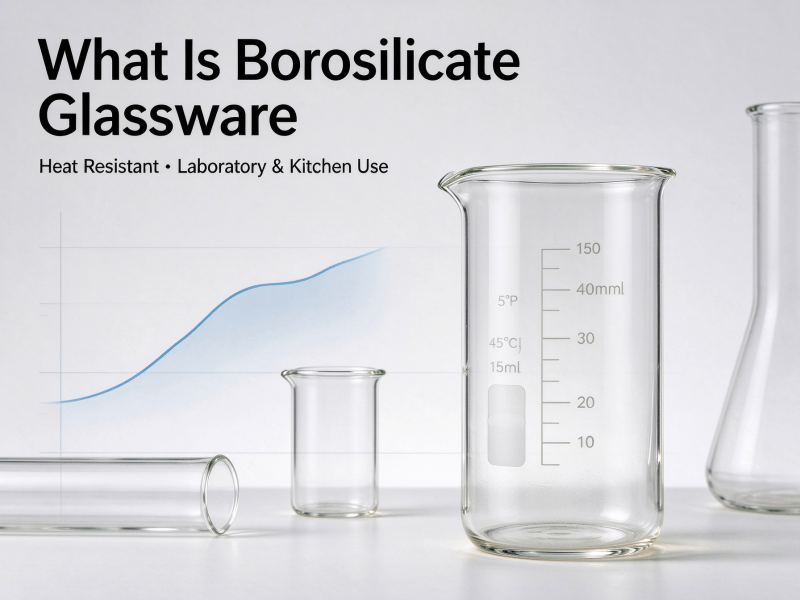
| Borosilicate glass | Excellent thermal shock resistance |
| Crystal glass | Usually unsuitable |
HolinGlass specializes in customized borosilicate glass manufacturing, offering solutions for brands requiring stronger heat resistance, transparency, and durability.
4. Inspect the Jar Condition
Never microwave:
- Vintage mason jars
- Antique mason jars
- Cracked jars
- Chipped jars
- Damaged blue mason jars
Small invisible cracks can expand rapidly when heated.
Can All Glass Jars Be Microwaved?
A common misconception is:
“Glass is microwave safe, so every glass container can go into a microwave.”
This is incorrect.
The answer to can all glass jars be microwaved is no.
Glass containers vary significantly depending on:
- Manufacturing process
- Chemical composition
- Thickness
- Shape
- Intended application
For example:
- A laboratory borosilicate container may handle temperature changes better.
- A decorative glass container may not tolerate heating.
- A traditional preserving jar may be designed for hot water baths but not microwave heating.
Many large mason jars, small mason jars, and decorative containers are excellent for storage but not necessarily for microwave cooking.
Can a Mason Jar Crack From Heat?
Another frequently searched question is:
Can a mason jar crack from heat?
Yes. A mason jar can crack or break because of thermal shock.
Thermal shock happens when one part of the glass expands faster than another part. This creates internal stress that can cause cracking.
Common examples include:
- Taking a frozen jar directly into a microwave
- Pouring boiling liquid into a cold jar
- Placing a hot jar on a cold countertop
- Heating an empty jar
How to Prevent Thermal Shock
Follow these precautions:
- Allow refrigerated jars to reach room temperature
- Heat food gradually
- Avoid sudden temperature changes
- Inspect jars before use
- Use heat-resistant glass when frequent heating is required
This is why many professional kitchenware manufacturers choose borosilicate glass for products requiring repeated temperature changes.
How Long Can You Microwave a Mason Jar?
Many users search:
how long can you microwave a mason jar
There is no universal safe time because every jar and microwave is different.
If you choose to microwave an approved glass jar:
Recommended approach:
| Heating Time | Recommendation |
|---|---|
| 15–30 seconds | Safer short intervals |
| 1 minute | Check temperature and condition |
| Several minutes continuously | Avoid unless specifically designed for microwave use |
Always:
- Remove metal lids
- Stir food between intervals
- Avoid sealed containers
- Use oven mitts
Do not microwave a sealed mason jar with lid because pressure can build inside.
Why Metal Mason Jar Lids Should Never Go in the Microwave
Traditional mason jar lids usually contain metal components.
Metal can cause:
- Electrical arcing
- Sparks
- Microwave damage
- Potential fire hazards
Before heating:
Remove:
- Metal screw bands
- Metal sealing lids
- Decorative metal accessories
Safer alternatives include:
- Plastic mason jar lids
- Silicone covers
- Microwave-safe covers
Many users choose plastic mason jars and lids for convenience, but glass remains preferred for premium food storage because it does not absorb odors or stains.
Are Mason Jars Oven Safe at 250 Degrees?
Another popular search question is:
are mason jars oven safe at 250 degrees
Generally, traditional mason jars should not be used in ovens.
Even at temperatures such as 250°F, the issue is not only the temperature itself. The problem is uneven heating and sudden changes in temperature.
For example:
- Cold jar + hot oven = risk
- Hot jar + cold surface = risk
Most standard preserving jars are designed for:
- Water bath canning
- Food storage
- Refrigeration
- Freezing (specific models only)
They are not designed as baking dishes.
For oven applications, consumers should choose glass products specifically tested for oven use.
Can You Freeze Mason Jars?
Many people also ask:
can you freeze mason jars
Yes, some freezer safe mason jars can be frozen when used correctly.
However:
Not every jar is suitable.
Freezing Guidelines
Use:
- Straight-sided jars
- Wide-mouth jars
- Proper freezer-safe designs
Avoid:
- Shoulder-shaped jars
- Overfilling
- Tight sealing before freezing
Popular freezer options include:
- wide mouth mason jars
- mason jars 32 oz
- mason jars 16 oz
- half gallon mason jars
Always leave expansion space because liquids expand during freezing.
Understanding Mason Jar Sizes and Specifications
The popularity of mason jars sizes comes from their flexibility.
Common sizes include:
| Size | Common Uses |
|---|---|
| 2 oz mason jars | Samples, spices |
| 4 oz mason jars | Baby food, small gifts |
| 8 oz mason jars | Desserts, candles |
| 12 oz mason jars | Drinks |
| 16 oz mason jars | Meal prep |
| 24 oz mason jars | Large beverages |
| 32 oz mason jars | Salads and storage |
| 64 oz mason jars | Bulk storage |
| 128 oz mason jars | Large storage |
Different mason jar dimensions affect:
- Storage capacity
- Freezing performance
- Handling convenience
- Packaging requirements
HolinGlass provides customized glass container solutions with flexible sizes, shapes, finishes, and packaging options for international brands.
Wide Mouth Mason Jars vs Regular Mason Jars
Many customers prefer wide mouth mason jars because they are easier to:
- Fill
- Clean
- Store food
- Remove contents
Popular options include:
- 16 oz wide mouth mason jars
- 32 oz wide mouth mason jars
- 64 oz glass mason jars
Wide-mouth designs are especially popular for:
- Meal preparation
- Fermentation
- Storage
- Handmade products
Mason Jar Accessories and Proper Care
A complete mason jar system includes accessories.
Common accessories include:
Mason Jar Vacuum Sealer
A mason jar vacuum sealer removes air from containers to extend freshness.
Popular options include:
- Manual vacuum sealers
- Electric mason jar vacuum sealer systems
- Vacuum sealer for mason jars
A best mason jar vacuum sealer depends on:
- Jar size
- Usage frequency
- Food type
Mason Jar Lids and Bands
Proper care of mason jar lids is essential.
Recommendations:
- Wash before use
- Inspect sealing surfaces
- Replace damaged lids
- Store bands dry
For canning, sealing components should be used according to manufacturer instructions.
Mason Jars for Food Storage and Modern Lifestyle Trends
The popularity of the mason jar lifestyle continues to grow because these containers combine:
- Sustainability
- Reusability
- Visual appeal
- Practical storage
Popular applications include:
- mason jar salads
- mason jar salad recipes
- Drinks
- Desserts
- Candles
- Crafts
- Decorations
Creative uses include:
- mason jar candles
- mason jar crafts
- mason jar decor
- mason jar centerpieces
- mason jar flower arrangements
- mason jar lights
From kitchens to restaurants, the classic jar mason design remains a symbol of simple and sustainable living.
Why Choose HolinGlass for Customized Glass Jars?
For brands looking beyond standard retail products, HolinGlass offers professional OEM and ODM glass manufacturing solutions.
Our advantages include:
- 13+ years of glass manufacturing experience
- Customized sizes and shapes
- Borosilicate, soda lime, crystal, and specialty glass options
- Strict quality control
- Export packaging solutions
- Flexible MOQ support
Whether you need:
- large mason jars
- small mason jars with lids
- customized food jars
- premium storage containers
- branded glass packaging
HolinGlass can provide complete production support.
Our experienced engineering team helps customers develop products from concept design to mass production.
Frequently Asked Questions About Mason Jars and Microwaves
Are mason jars microwave safe?
Most traditional mason jars are not officially guaranteed for microwave use. Use caution and follow manufacturer instructions.
Can you microwave mason jars without lids?
Removing metal lids reduces risk, but the jar itself must still be suitable for microwave heating.
Can all glass jars be microwaved?
No. Only tested microwave-safe glass containers should be regularly microwaved.
How do I sterilize mason jars?
Many users ask how do i sterilize mason jars or how to sterilize mason jars.
The common method:
- Wash jars thoroughly
- Place jars in boiling water
- Boil for approximately 10 minutes
- Keep warm until filling
How to seal mason jars?
Proper sealing depends on the purpose. Canning requires correct lids, heating procedures, and vacuum formation.
Final Thoughts: Are Mason Jars Microwave Safe?
So, are mason jars microwave safe?
The safest conclusion is:
Some glass jars may tolerate microwave heating, but standard mason jars are generally not designed or guaranteed for microwave use. Always remove metal lids, avoid thermal shock, inspect jars carefully, and choose microwave-safe glass containers when frequent heating is required.
For businesses seeking durable, customized, and heat-resistant glass solutions, HolinGlass provides professional OEM/ODM manufacturing services for food storage jars, kitchen glassware, and premium packaging products.
Contact HolinGlass to develop your next custom glass jar solution.