Freezer storage looks simple—until a jar cracks overnight. That’s why the question are mason jars freezer safe comes up so often. In many cases, yes, mason jars can go into the freezer safely, but only if the jar type, fill level, and cooling method are handled with care. For food brands and kitchen buyers, choosing the right mason jars can make a noticeable difference in how well frozen products hold up.
The Short Answer: Yes, But with Conditions
The simplest answer is this: are mason jars freezer safe containers? Often they are, but not every jar performs the same way. Glass expands and contracts with temperature changes, and liquids expand as they freeze. That means a jar that looks perfectly sturdy can still crack if it’s filled too full or exposed to sudden temperature shifts.
In practice, freezer-safe performance depends on several factors:
- The thickness of the glass
- The jar’s shape
- How much headspace is left
- Whether the contents are liquid-heavy
- How the jar is thawed later
That’s why the question isn’t only whether jars are safe, but are all mason jars freezer safe? The answer is no—not always. Some are better suited for freezing than others, and understanding the difference saves both food and frustration.

Which Mason Jars Are Freezer Safe?
The most important factor in determining whether your glass mason jars can go in the freezer is their shape. According to Ball Corporation, a leading manufacturer, jars with tapered or straight sides are freezer safe, while jars with shoulders should stay out of the freezer.
Straight vs. Shouldered Jars
| Jar Style | Freezer Safe? | Reason |
| Straight-sided (wide mouth) | Yes | Allows food to expand upward |
| Tapered sides | Yes | Allows even expansion |
| Shouldered jars (regular mouth) | No | Shoulders create pressure points that can crack |
Regular mouth jars narrow at the top, creating “shoulders” where the jar tapers to the mouth. When liquids freeze and expand, these shoulders become weak areas, making the jar likely to crack or shatter.
People often assume are glass mason jars freezer safe is a yes-or-no question. In reality, it’s more of a “yes, if used correctly” situation. Standard canning-style mason jars are generally made for food storage, but decorative jars or unusually thin glass may not tolerate freezing well.
Wide-mouth styles are often preferred because they are easier to fill and scoop from later. That’s one reason mason jars with lids are so popular for meal prep and cold storage: they offer a familiar, reusable system that works well when used with the right space at the top.
Choosing the Right Mason Jar Sizes for Freezing
Different mason jar sizes work better for different freezing purposes. Not all mason jar sizes are equally convenient for freezing—smaller jars usually perform better because they hold less liquid and reduce expansion pressure. Larger jars can still work, but they need more careful filling.
Common Sizes and How They’re Used
| Jar Size | Best Uses for Freezing | Freezer Suitability |
| 4 oz (quarter pint) | Purees, sauces, herbs, baby food | Very good for small portions |
| 8 oz (half pint) | Single-serve soups, fruit purees | Good with headspace |
| 8–12 oz (mason jars cup size) | Broth, chopped fruit, single servings | Good for portion control |
| 16 oz (pint) | Soups, stocks, smoothies, meal prep | Good, but needs careful filling |
| 32 oz (quart) | Family portions, bulk prep | Riskier due to expansion |
The smaller mason jars 4oz sizes are particularly useful for freezing small portions of herbs or sauces—a perfect way to reduce waste. When choosing mason jar sizes, wider mouth jars are preferable for freezing because they allow for easier filling and cleaning.
The general rule is simple: the bigger the jar, the more cautious the filling has to be. Smaller containers are often safer because they freeze faster and reduce the chance of uneven pressure.
How to Freeze Food in Mason Jars Without Cracking Them
Freezing in glass is mostly about respecting how food changes volume. That sounds technical, but the process is straightforward once the habits are in place.
Key Guidelines for Successful Freezing
Even with the right jars, proper technique matters. Follow these guidelines to safely freeze in mason jars with lids:
- Let food cool completely before filling the jar. Never put hot food into a cold jar or a hot jar into the freezer.
- Leave proper headspace. Food expands as it freezes, so leaving room at the top is essential. As a general rule:
- Liquids: ½ inch for pint jars, 1 inch for quart jars
- Solid foods: Just over 1 inch of space
- For larger containers (more than a quart), leave 1½ inches of headspace
- Use straight-sided jars when possible—they handle expansion more evenly.
- Keep the lid snug, not force-tight. Standard two-piece canning lids work well for freezing, but make sure to use mason jars with lids that seal properly. Never over-tighten the lid before freezing—the expanding contents need room to push upward, and a too-tight lid can cause pressure to build and crack the glass.
- Freeze jars upright on a flat surface for even freezing.
- Avoid moving them from hot to cold too quickly. Rapid temperature changes create thermal shock that causes glass to crack.
The Biggest Mistake to Avoid
The most common failure is overfilling. Even a small amount of expansion can break glass if there’s no room left at the top. For soups, broth, sauces, and fruit blends, a little extra space is usually the difference between a usable jar and a cracked one.
Also, mason jars with lids should not be sealed like vacuum-packed containers unless the design specifically supports that use. A snug lid is enough in most freezer situations.
What NOT to Do
1. Do not put boiling liquid directly into the jar
2. Do not freeze a brimming-full jar
3. Do not use chipped or damaged glass
4. Do not thaw a frozen jar under hot water
5. Do not forget to label the date
A Quick Checklist Before Freezing
Before putting anything into the freezer, a simple check helps:
- Is the jar designed for food storage?
- Is there enough headspace?
- Is the food cooled?
- Is the lid on correctly?
- Is the glass free from chips or cracks?
That checklist may seem basic, but it prevents most of the common failures people run into with glass freezing.
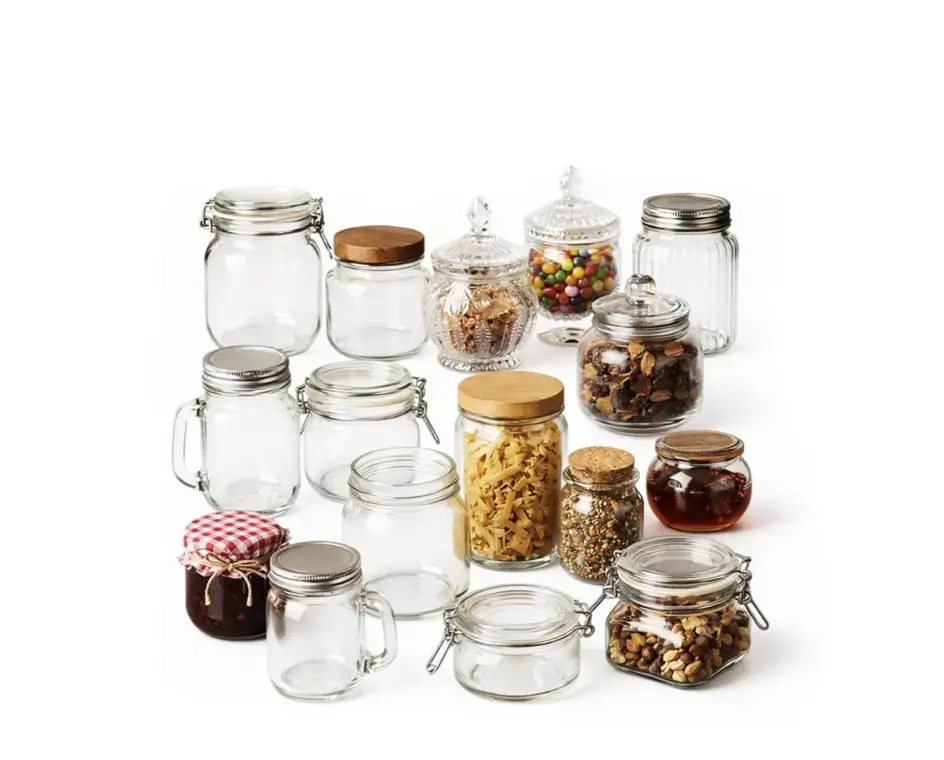
Foods That Freeze Well in Mason Jars
Some foods are naturally easier to freeze than others. Thick or semi-thick foods tend to perform best because they move and expand more predictably.
Good Candidates
- Soups and stews
- Broth and stock
- Tomato sauce
- Fruit purées
- Smoothie mixes
- Cooked beans
- Baby food portions
These foods are often stored in glass mason jars because the jars are reusable, easy to stack, and attractive enough for pantry-to-freezer workflows. That practical appeal is one reason they show up so often in food businesses and home kitchens alike.
Foods That Need Extra Caution
Some items are more likely to cause trouble:
- Carbonated drinks
- Very watery liquids
- Large-volume dairy mixtures
- Anything filled to the top
- Foods that expand unpredictably
If a recipe contains a lot of water, it may expand more than expected. That’s where the freezer risk rises. A small portion in a mason jars cup size may be fine, while the same recipe in a larger jar could become a problem.
Thawing Your Frozen Mason Jars Properly
Glass doesn’t handle rapid temperature changes well. When removing jars from the freezer, always thaw them in the refrigerator. Placing a frozen jar directly on a counter or into warm water can cause thermal shock, leading to cracks.
Important: If a jar does crack during freezing or thawing, do not consume the food—tiny glass shards may have contaminated the contents.
Beyond Freezing: Versatile Uses for Mason Jars
Even if a jar isn’t suitable for freezing, mason jars remain incredibly versatile. Their applications extend well beyond food preservation, which is part of why people keep reaching for them.
Creative Applications
Mason jars crafts have become a popular hobby. These jars can become:
- Mason jars for flowers – rustic vases for fresh or dried blooms
- Storage containers for pantry staples
- Salad jars for meal prep (refrigerator use only)
- Decorative candle holders
- Gifts filled with layered dry ingredients
- Drinkware with reusable lids and straws
One thing to keep in mind: mason jars cup designs are also available, allowing them to function as drinkware with reusable lids and straws. However, avoid using jars for canning or food storage after they’ve been used for other purposes.
Choosing the Right Jar for Your Needs
If the goal is freezer storage, the safest approach is to choose a jar that is:
- Made from durable glass
- Wide-mouthed if possible
- Sized appropriately for the portion
- Paired with a proper lid
- Filled with expansion space left at the top
For brands and buyers comparing mason jar sizes, smaller formats usually reduce breakage risk and improve handling. Larger jars can still work, but they ask for more attention.
Final Thoughts
Are mason jars freezer safe? Usually yes, but not automatically. The safest results come from using the right jar, leaving space for expansion, and avoiding sudden temperature changes. When handled well, mason jars for food storage can be a reliable freezer option for both home use and food packaging needs.
Understanding which mason jar sizes work best for your specific needs—whether that’s 4oz portions for sauces or quart jars for bulk soups—makes all the difference. For brands and food businesses, selecting durable glass food storage containers designed for freezing helps maintain product quality and reduce breakage.
Whether you’re preserving garden harvests, prepping weekly meals, or sourcing packaging for a food brand, mason jars offer a versatile, reusable solution—as long as you respect how glass behaves in the cold.
Frequently Asked Questions
1. Can I freeze liquids like soup or broth in mason jars?
Yes, but it’s crucial to use straight-sided jars and leave the correct amount of headspace—about ½ inch for a pint jar and 1 inch for a quart jar. Avoid shouldered jars, which are prone to cracking when liquids expand during freezing. Let the liquid cool completely before sealing and freezing.
2. Why do mason jars sometimes crack even when they look like they have enough space?
Cracks can happen from uneven freezing, pre-existing microchips in the glass, or temperature shock. The jar may also be under more pressure than expected if the contents expand irregularly—for example, liquids with high water content expand more than thick purées. Even with good headspace, a tiny flaw in the glass can become a breaking point under freezer stress.
3. Can frozen mason jars be thawed on the counter?
It’s safer to thaw them gradually in the refrigerator or in cool water. A sudden shift to warm air or hot water can stress the glass and cause cracking. For best results, plan ahead and transfer frozen jars to the refrigerator the night before use.
4. Are small jars better than large jars for freezer storage?
Usually yes. Smaller jars freeze more evenly, are easier to portion, and reduce the chance of glass breakage from expansion. They’re also faster to thaw, which minimizes the risk of temperature shock during the thawing process