Is It True That Glass Jars Are Fully Recyclable?
The short answer to is glass recyclable is yes—glass is one of the most recyclable materials in the modern waste stream. However, the practical answer is more nuanced. Whether Glass Jars are recyclable depends heavily on local infrastructure, contamination control, and glass type classification.
Across U.S. municipalities—including Seattle and King County—glass recycling is widely supported, but not all glass products are treated equally. Food containers like jars and beverage bottles are typically accepted, while heat-resistant glass, ceramics, and mixed-material items are excluded due to melting point differences and contamination risks.
Understanding these distinctions is essential not only for environmental compliance but also for improving recycling efficiency and supporting circular economy manufacturing systems like those used in premium packaging industries such as Holin Glass.
This guide provides a comprehensive breakdown of how Glass Jars are recycled, what can and cannot go into recycling bins, and how consumers and businesses can optimize sustainability while choosing the right packaging solutions.

Glass Recycling Fundamentals: How the System Actually Works
Recycling Glass Jars involves a mechanical and thermal process that begins at collection and ends in remanufacturing into new containers or fiberglass products.
Step-by-step process overview
- Collection & Sorting
- Mixed recyclables or dedicated glass bins are collected
- Contamination is removed manually or via optical sorting systems
- Crushing into Cullet
- Glass is broken into small fragments called cullet
- Cullet reduces energy consumption during melting
- Melting
- Glass is heated at ~1400–1600°C
- Impurities must be minimal to avoid defects
- Reforming
- New containers (bottles, jars, packaging glass) are molded
Why clean glass matters
Even minor contamination—like food residue or ceramics—can compromise entire recycling batches. That is why instructions such as empty & rinse before recycling Glass Jars are critical for municipal systems.
Does Glass Go in Recycling or Garbage?
One of the most frequently searched questions is does glass go in recycling or garbage.
The answer depends on type:
| Item Type | Disposal Method |
|---|---|
| Food-grade Glass Jars | Recycling bin |
| Beverage bottles | Recycling bin |
| Ceramics / Pyrex | Garbage |
| Mirrors / window panes | Special disposal |
| Lightbulbs | Hazardous waste |
In Seattle and King County systems, most curbside programs accept only food and beverage containers. That means your glass storage jar or glass pickle jar is recyclable, but your decorative ceramic container is not.

Local Recycling Guidance: Seattle & King County Systems
Residents often search for how to recycle glass jars near me, especially in urban recycling programs.
Seattle Recycling Guidelines
Seattle’s system emphasizes:
- Source separation or mixed recycling (varies by neighborhood)
- Removal of lids and caps
- No need to remove labels
- No ceramics or heat-resistant glass
You can consult the city of seattle recycling guide pdf for official rules, which outline acceptable containers and contamination thresholds.
King County Recycling Framework
King County provides additional clarification in its king county recycling guide pdf, highlighting:
- Glass is often processed separately from paper/plastics
- Some facilities no longer accept glass in curbside bins due to contamination
- Drop-off centers may be preferred in certain zones
Important regional note
If your local facility has discontinued glass collection, glass is often:
- Transported to specialized recycling centers
- Used in road base aggregate
- Or redirected to manufacturing streams
This makes proper sorting more important than ever.
What Glass Items Can Be Recycled (and What Cannot)
Recyclable Glass Jars
Most food-grade Glass Jars are recyclable:
- Food jars (jam, pasta sauce, peanut butter)
- Beverage bottles
- Mason jars (if accepted locally)
- Transparent glass jar containers
Examples:
- glass pickle jar
- glass yogurt jars
- glass honey jars
- glass jar for sourdough starter
Non-recyclable glass items
Avoid placing the following in recycling bins:
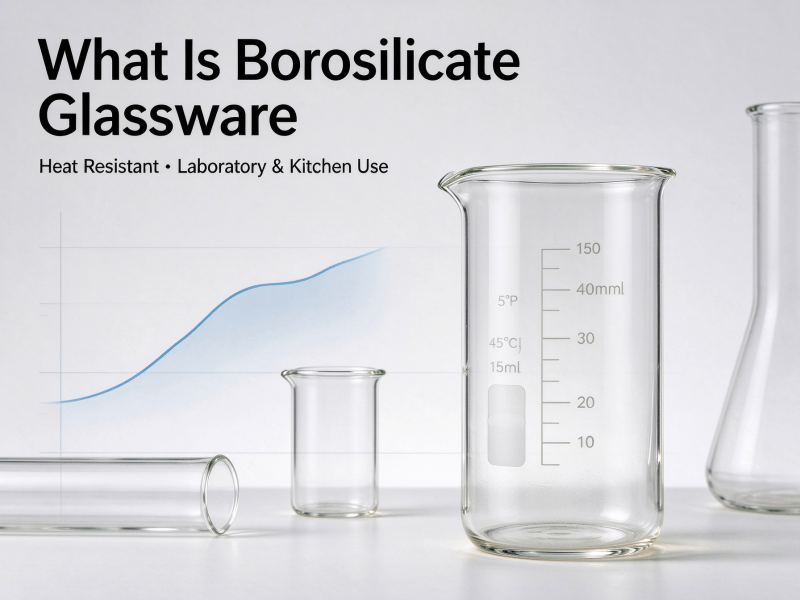
- Pyrex / heat-resistant cookware
- Mirrors and window panes
- Ceramics and pottery
- Decorative glass art pieces
Even if visually similar, these materials melt at different temperatures, disrupting recycling furnace stability.
Can You Recycle Metal Lids from Glass Jars?
A common confusion point is can you recycle metal lids from glass jars.
The answer varies:
- Steel lids: often recyclable if clean
- Aluminum lids: sometimes accepted separately
- Plastic lids: usually trash unless specified
Best practice:
- Separate lid from jar
- Check local rules (Seattle often allows small metal lids if placed loosely in bin)
How to Prepare Glass Jars for Recycling
Proper preparation significantly increases recycling efficiency.
Standard preparation steps:
- Empty & rinse thoroughly
- Remove food residue
- Separate lids and caps
- Do not break glass intentionally
This applies to all container types including:
- 64 ounce glass jar
- 32 oz glass jar
- 2 oz glass jars
- 4 oz glass jars with lids
Even small containers like 2 oz jars glass must be cleaned before disposal.
Specialized Glass Jars in Modern Packaging and Use Cases
While recycling is important, demand for high-quality reusable packaging is also growing rapidly.
Common jar formats in circulation
- large glass jar
- huge glass jar
- 1 gallon glass jar
- 2 gallon glass jar
- 3 gallon glass jar
- 5 gallon glass jar
These larger formats are widely used in:
- Food storage
- Fermentation
- Industrial packaging
- Wholesale distribution
Specialty containers
- glass spice jars
- glass honey jar
- glass jar with lid
- decorative glass jar
- cut glass jar with lid
Each of these plays a role in both consumer packaging and retail branding strategies.
Glass Jars in Food Culture and Daily Life
Modern consumption trends increasingly rely on reusable Glass Jars due to their safety and aesthetics.
Examples include:
- cookies in a glass jar
- yogurt in glass jar
- glass yogurt jars
- glass jars with lids for drinking
These applications reduce plastic dependency while improving shelf appeal.
Industrial & Wholesale Perspective: The Rise of Glass Packaging
Global demand for sustainable packaging has increased bulk production of:
- wholesale jars and bottles
- bulk jars with lids
- jar container systems for food manufacturing
Holin Glass specializes in scalable OEM/ODM production of Glass Jars designed for food, beverage, and cosmetic industries, offering:
- High-clarity transparent glass jar options
- Heat-resistant borosilicate materials
- Custom molding and branding
- Export-grade packaging standards
Comparison Table: Glass Jar Types and Their Uses
| Jar Type | Capacity | Typical Use |
|---|---|---|
| 2 oz glass jars | 2 oz | Spices, samples |
| 4 oz glass jars with lids | 4 oz | Cosmetics, small foods |
| 32 oz glass jar | 1 quart | Beverages, storage |
| 64 ounce glass jar | 2 quarts | Bulk storage |
| 1 gallon glass jar | 128 oz | Fermentation |
| 5 gallon glass jar | Industrial scale | Commercial storage |
This segmentation helps manufacturers and buyers choose the right Glass Jars for application-specific needs.

Recycling vs Reuse: The Sustainability Hierarchy
Before recycling, reuse is often more sustainable:
- Reuse as storage (food, pantry, fermentation)
- Repurpose as decorative containers
- Recycle via municipal systems
- Dispose only if contaminated or non-recyclable
Examples of reuse:
- glass jar for sourdough starter
- spice storage in glass spice jars
- kitchen organization using glass storage jar
Recycling Economics: Is Glass Actually Profitable?
A common misconception is that all glass is economically recycled. In reality:
- Contaminated glass increases processing cost
- Transporting glass is heavy and expensive
- Clean cullet improves profitability
Some regions even restrict curbside glass due to cost inefficiency, influencing queries like where to recycle glass bottles for money.
Bottle deposit systems (where available) provide small refunds, but most U.S. glass recycling operates without direct consumer payouts.
Waste Management Perspective: Is Glass Always Recycled?
From a municipal standpoint, is glass recyclable waste management depends on:
- Facility capability
- Local policy
- Contamination levels
- Market demand for cullet
In some systems, glass is downcycled into:
- Road base material
- Construction aggregate
- Insulation fiber
Holin Glass: Sustainable Manufacturing and Circular Packaging Design
As global packaging shifts toward circular economy models, manufacturers like Holin Glass are designing Glass Jars that integrate:
- High durability borosilicate glass
- Reusable lifecycle optimization
- Modular lid systems
- Bulk packaging efficiency
Product lines include:
- wide mouth glass jar systems for food processing
- blender glass jar components for appliance manufacturers
- decorative glass jar series for retail branding
These solutions reduce lifecycle waste while improving product branding value.
Emerging Trends in Glass Recycling and Packaging
1. Deposit-return expansion
More states are expanding bottle return programs.
2. Lightweight glass manufacturing
Reducing material weight lowers emissions.
3. Closed-loop packaging systems
Brands reuse Glass Jars repeatedly within supply chains.
4. Smart labeling systems
Improves sorting accuracy in recycling plants.

Common Questions About Glass Recycling
What happens if I throw dirty glass in recycling?
Contamination can cause entire batches of Glass Jars to be rejected.
Can broken glass be recycled?
Generally no, due to safety and sorting issues.
Are glass jars better than plastic?
Yes, they are more durable, reusable, and fully recyclable under proper conditions.
Do all cities accept glass?
No, always check local guidelines such as Seattle or King County documentation.
Are Glass Jars Recyclable?
Yes—Glass Jars are widely recyclable, but successful recycling depends on correct sorting, cleaning, and local infrastructure compliance. Understanding what belongs in recycling versus garbage ensures higher recovery rates and reduces environmental impact.
At the same time, the growing demand for sustainable packaging is reshaping global supply chains. High-quality Glass Jars—from small 2 oz containers to large industrial 5 gallon formats—are becoming central to both consumer sustainability and commercial branding strategies.
For businesses looking to upgrade packaging quality while supporting circular economy goals, Holin Glass provides scalable OEM/ODM manufacturing solutions for durable, customizable, and export-ready glass packaging systems.