For many coffee enthusiasts, the choice of cup or mug plays an important role in the overall experience of drinking their favorite brew. Whether you’re preparing a morning espresso, a hot latte, or a simple drip coffee, the vessel you choose matters. One common question is: Can I put hot coffee in a glass cup?
The answer is not as simple as yes or no, as it depends on the type of glass you’re using. While some glass cups are specifically designed to withstand high temperatures, others can crack or shatter when exposed to heat. When choosing a glass cup for your hot coffee, always prioritize quality and heat resistance.
Discover Holin Glass's Premium Glassware
1. Can You Put Hot Coffee In A Glass Cup?
The short answer is: Yes — most glass cups can safely hold hot coffee or hot water in everyday use. Glass itself does not automatically fail when exposed to heat. The real factor that determines safety is how much sudden temperature change (thermal shock) the glass is exposed to.
Many common drinking glasses are made from soda-lime glass, and they are widely used for hot coffee, tea, and boiling water in daily life. Problems only occur when the glass is exposed to rapid heating or cooling differences, not simply because the liquid is hot.
Risks of Using the Wrong Glass
If you use regular glassware (such as a glass cup from a regular drinking glass set or a glass mason jar) for hot beverages, you’re putting yourself at risk for thermal shock. Thermal shock occurs when a glass experiences a rapid temperature change, causing it to crack or shatter. For example, pouring hot coffee into a cold glass or placing a hot glass directly on a cold surface can cause it to break.
What to Look for in a Glass Cup for Hot Coffee
All glass types can technically hold hot beverages, but they differ in durability and thermal shock resistance:
Soda-Lime Glass (Everyday Glassware)
This is the most common material used in standard drinkware.
- Widely used for glass water cup, household tumblers, and basic mugs
- Generally safe for hot coffee in normal conditions
- More sensitive to sudden temperature changes
👉 Risk occurs when:
- Hot liquid is poured into a very cold glass
- A hot glass is placed on a cold surface
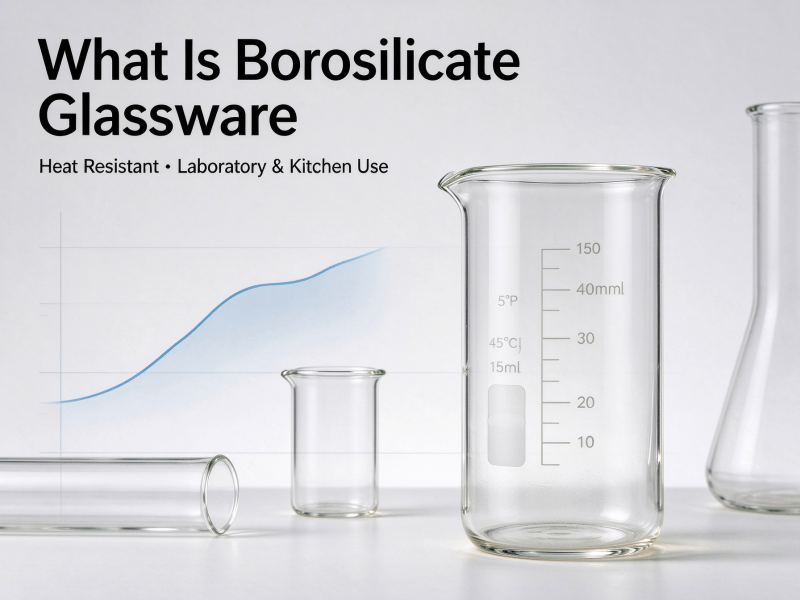
Borosilicate Glass (High Thermal Resistance)
A stronger glass designed for temperature stability.
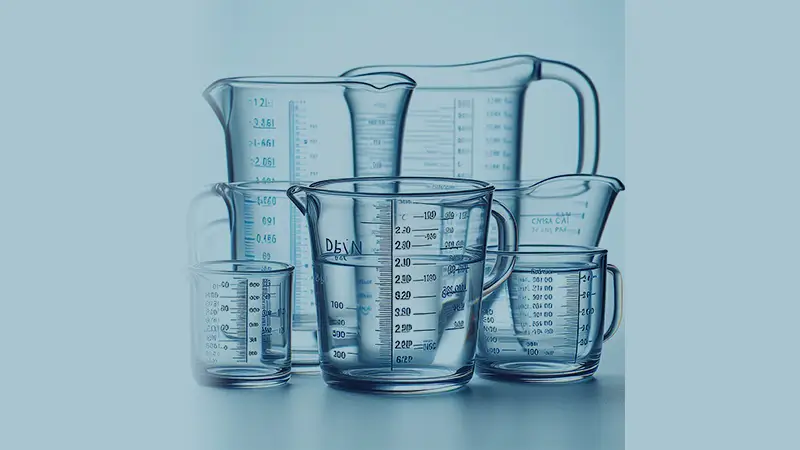
- Used in glass measuring cup, lab glassware, and premium coffee cups
- Handles both hot and cold liquids more safely
- Better resistance to thermal shock
Tempered Glass (Strengthened Safety Glass)
Glass that has been heat-treated to increase durability.
- More resistant to impact and temperature changes
- Common in some glass mug and kitchenware designs
- Safer than standard glass under stress conditions
Double Wall Glass Cup (Insulated Design)
A structural design rather than just a material type.
- Air layer between two glass walls
- Reduces heat transfer
- Keeps coffee hot while keeping the outer surface cool
- Often used for modern coffee presentation
Can I Put Hot Coffee in a Glass Cup with Ice?
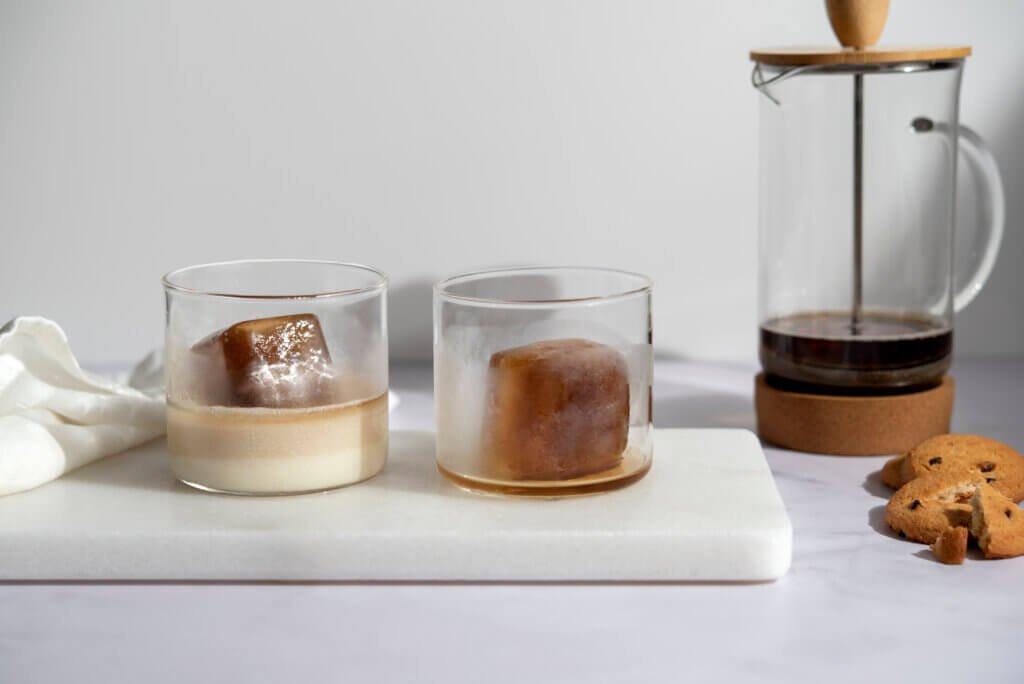
If you enjoy iced coffee, you may wonder if you can put hot coffee in a glass cup with ice. The sudden contrast between the hot coffee and the ice can lead to a thermal shock, causing the glass to crack. To avoid this risk, use heat-resistant glasses like borosilicate glass or tempered glass. Even then, it’s a good idea to let your hot coffee cool slightly before pouring it over ice.
Alternatively, consider using specialized iced coffee glasswares or stainless steel tumblers that are designed to handle temperature fluctuations. These types of cups are engineered to withstand rapid temperature changes and ensure the glass does not shatter.
2. Will Hot Coffee Shatter Or Crack A Glass Cup?
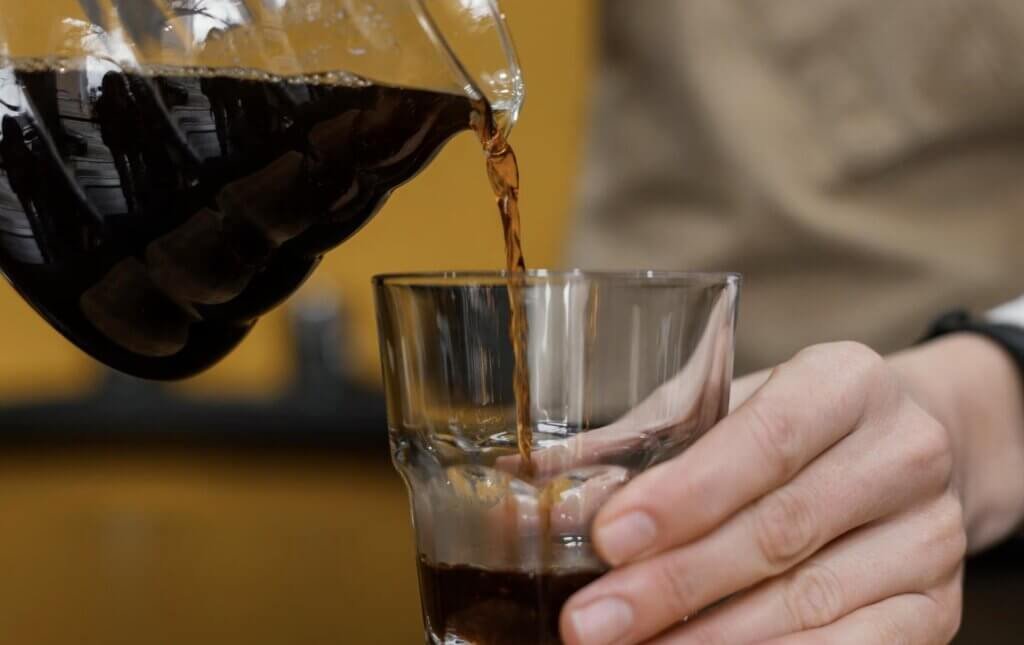
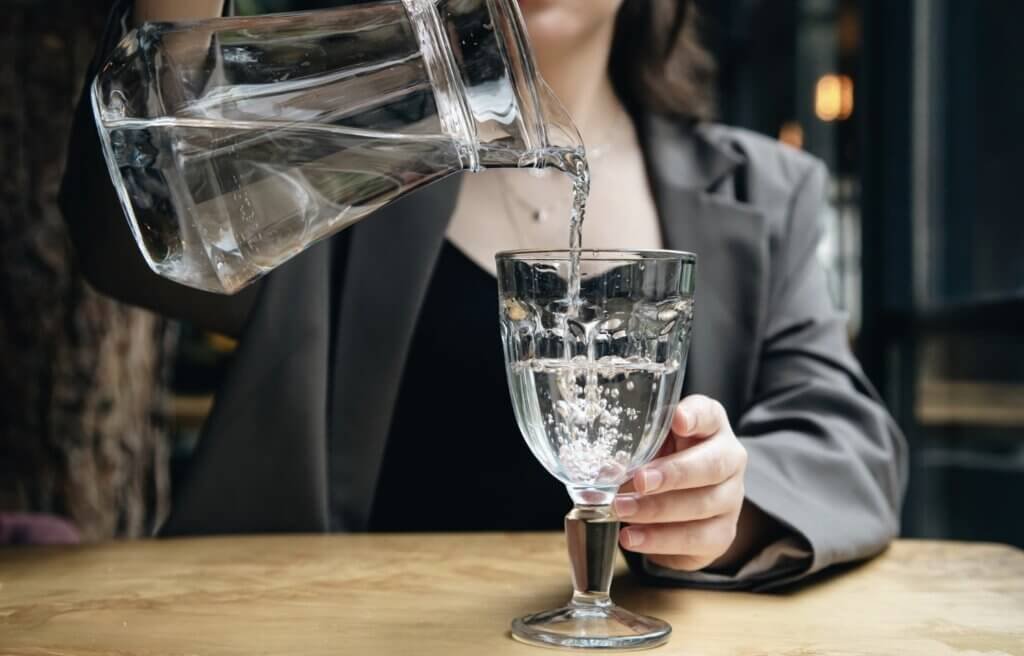
When you pour hot coffee into a glass cup, it may crack or shatter if the glass is not heat-resistant. As previously mentioned, the primary culprit behind this is thermal shock, caused by rapid temperature changes. A thin-walled glass cup or a glass mason jar is especially vulnerable to thermal stress, which can cause it to fracture upon contact with hot coffee. Choosing the right glass cup is crucial for a pleasant experience.
3. How To Tell If A Glass Cup Can Handle Hot Drinks
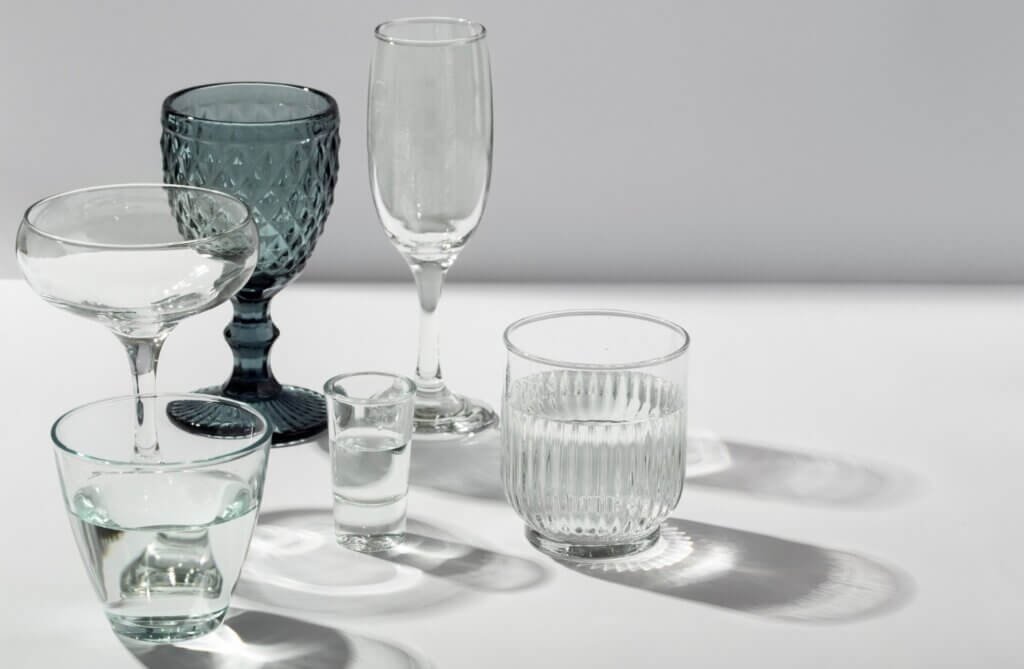
To determine if your glass cup is safe for hot coffee, check the material. Glass types like borosilicate or tempered glass are ideal for handling hot drinks, while regular soda-lime glass and decorative glass are not.
Look for the following indicators to ensure that the glass can handle hot liquids:
- Certification or Labels: Some glass cups are specifically labeled as heat-resistant, meaning they can safely handle hot coffee, tea, or other hot beverages.
- Double-Walled Glass Cups: These cups are designed to keep the beverage hot while maintaining a cool exterior. They are especially useful for maintaining the temperature of your coffee or tea.
- Thickness of the Glass: Thick glass tends to withstand heat better than thin glass. However, material composition is more important than thickness when it comes to heat resistance.
4. How To Choose The Right Glass Cup For Hot Coffee
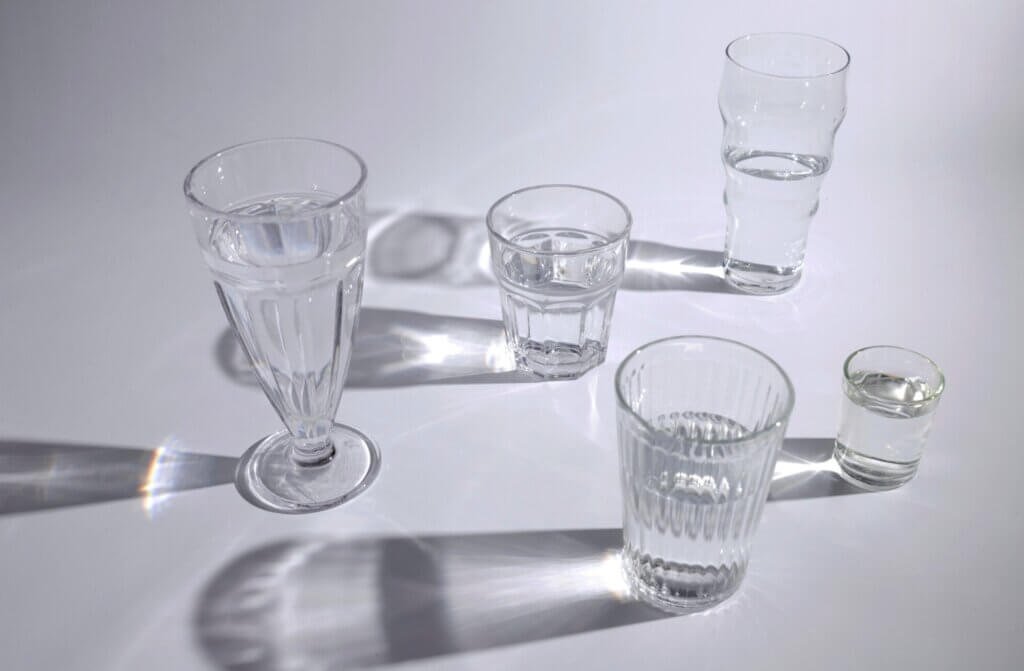
When selecting a glass cup for hot coffee, keep the following factors in mind:
- Material: Always choose borosilicate glass or tempered glass for heat resistance.
- Double-Walled Design: For extra insulation and to keep your hands cool while enjoying hot drinks, opt for a double-walled glass cup.
- Size and Shape: Choose a glass cup that suits your needs, whether you prefer a smaller espresso glass or a larger 16 oz glass cup.
- Heat Resistance Rating: Make sure the cup can withstand temperatures of 300°C (572°F) for borosilicate glass or 200°C (392°F) for tempered glass.
If you’re looking for specific glass cup sets, visit Holin Glass for expert-quality, heat-resistant drinkware tailored to your needs. Explore our collection at Holin glassware manufacturer and contact us for personalized recommendations.
5. Can You Put Hot Coffee in a Mason Jar or Glass Jar?
Mason jars are a popular choice for serving drinks, but they are not always suitable for hot coffee. Mason jars are typically made from soda-lime glass, which does not have the thermal shock resistance required for hot beverages. Hot coffee can easily cause a mason jar to crack or break.
If you’re determined to use a mason jar, make sure it is labeled as heat-resistant. Alternatively, consider using borosilicate glass cups or ceramic mugs, both of which are safer options for hot beverages.
6. Is It Safe to Drink Hot Coffee or Tea in a Glass Cup?
As long as your glass cup is heat-resistant, it is completely safe to drink hot coffee or hot tea from it. Borosilicate glass is especially ideal for both coffee and tea due to its ability to withstand high temperatures and thermal shock.
If you’re looking for a cute glass cup with a lid and straw, be sure to check that it is heat-resistant before using it for hot beverages. Additionally, double-walled glass cups are great for ensuring that your hands stay cool while sipping your hot drinks.
7. How Much Heat Can a Glass Cup Withstand Before Damage?
The heat tolerance of a glass cup depends on the material. Here’s a comparison of common types of glass and their heat resistance:
| Glass Type | Heat Resistance (°C / °F) | Thermal Shock Resistance | Durability | Typical Uses |
|---|---|---|---|---|
| Borosilicate Glass | Up to 300°C / 572°F | Excellent | High | Laboratory, Premium Mugs |
| Tempered Glass | Up to 200°C / 392°F | Good | Very High | Oven-safe Cookware, Café Mugs |
| Soda-Lime Glass | Up to 120°C / 248°F | Poor | Moderate | Everyday Tumblers, Mason Jars |
| Crystal Glass | Below 100°C / 212°F | Very Poor | Low | Decorative Glassware |
Borosilicate glass is a high-performance option for hot drinks, offering excellent resistance to temperature changes and thermal shock. It is especially suitable for users who frequently switch between hot and cold beverages or expose glassware to more demanding conditions.
However, it is important to note that most everyday glass cups can also safely hold hot coffee or boiling water under normal use. Standard glass is widely used in homes, cafés, and restaurants for hot drinks without issues, as long as it is not exposed to sudden extreme temperature changes.
Tempered glass also provides improved durability compared to regular glass and performs well under heat, but its main advantage is increased strength rather than extreme heat tolerance. In general, borosilicate, tempered, and double-wall glass products are not the only options for hot drinks — they are simply more stable and safer under temperature stress conditions.
8. How To Use Glass Cups Safely For Hot Coffee
To use a glass cup safely for hot coffee, follow these best practices:
- Pre-warm the Glass: Warm your glass cup set gently before adding hot coffee. This prevents thermal shock and preserves the glass’s integrity.
- Choose Heat-Resistant Glass: Always select borosilicate glass or tempered glass for hot beverages.
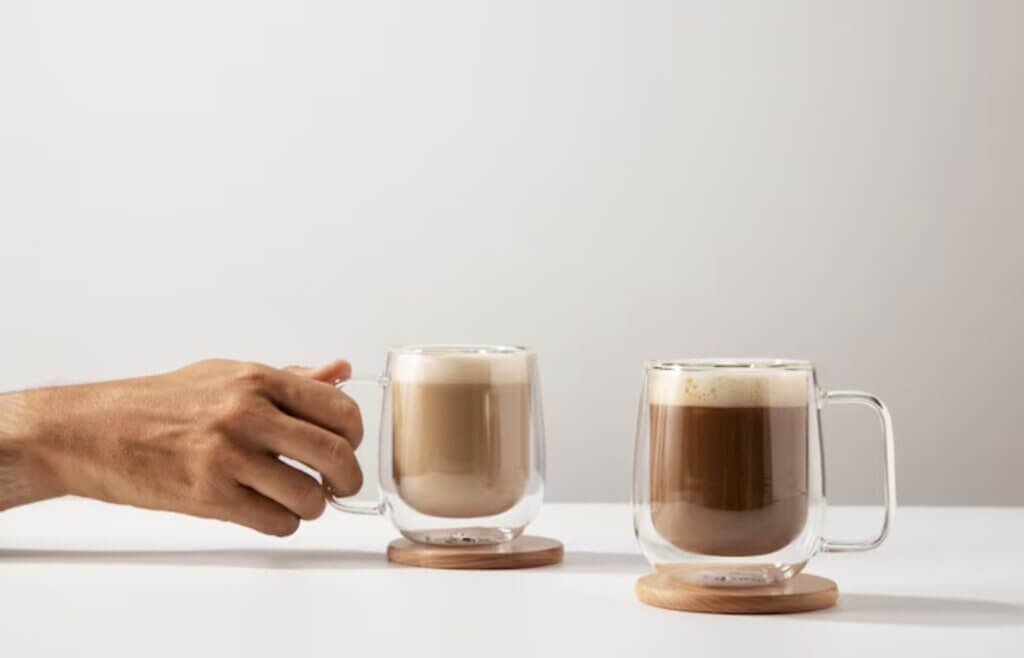
- Use Coasters: Place your glass coffee cup on a cork coaster or silicone mat to protect both the glass and the surface beneath.
- Handle With Care: Even strong glass cups can become slippery when hot. Always use caution when handling hot drinks.
- Avoid Sudden Temperature Changes: Never pour boiling coffee into a cold glass cup. Gradual temperature transitions will help prevent cracks and breakage.
By following these tips, you can safely enjoy your hot coffee in a glass cup without worrying about accidents. In conclusion, glass cups can indeed be used for hot beverages, but it’s crucial to select the right type of glass. Opt for borosilicate glass or tempered glass for the best heat resistance, and always avoid drastic temperature changes to prevent cracking or shattering. With the proper precautions, you can enjoy your coffee or tea in a stylish and durable glass cup!
9. Holin Glassware Expert Tips for Choosing the Perfect Glass Cup
Many people wonder whether it is safe to pour hot coffee into a glass cup. The truth is, high-quality glass cups are typically designed to withstand hot beverages, but choosing the right glass material and manufacturer is essential. As a glassware manufacturer, we offer a wide range of custom glassware options that cater to your specific needs. Whether you need glass bottles, glass bowls, glass cups, glass jars, or glass vases, our products are made to the highest standards to ensure both durability and elegance.
Our Product Categories Include:
- Glass Cups: Perfect for both hot and cold drinks, the Holin glass is the top choice for brewing hot coffee.
- Glass Bottles: Ideal for storing liquids, with customizable sizes and designs.
- Glass Bowls: Elegant and functional, suitable for both home and commercial use.
- Glass Jars: Convenient for storage, allowing easy visibility of contents.
- Glass Vases: Classic designs that add a touch of freshness to any space.
If you’re interested in any of these products, click the link to explore our full product range, or get in touch with us for customized glassware options.

10. Common Questions About Glass Cups
Yes, you can place hot coffee in a glass cup in the fridge, but it’s not advisable because of the potential for thermal shock that could cause the glass to break, the risk of raising the fridge’s temperature, and possible changes to the coffee’s flavor. It’s better to let the coffee cool to room temperature first and use tempered or borosilicate glass to reduce the risk of damage.
Yes, you can put hot coffee in a glass cup with ice, but the sudden temperature change can cause the glass to break due to thermal shock. To do this safely, use heat-resistant borosilicate or tempered glass. If using regular glass, it’s best to add the ice after the coffee has cooled slightly, or choose sturdy glassware at room temperature to minimize the risk of damage.
Yes, you can put hot coffee in a glass mason jar, but caution is needed to prevent cracking from thermal shock. While mason jars are non-toxic and non-reactive, pouring boiling liquid into a cold jar can cause it to break. To use them safely, warm the jar first with warm tap water, avoid direct heat, and never place a hot jar on a cold surface.
Yes, you can put hot tea in a glass cup, but it should be made of borosilicate or tempered glass to prevent cracking due to thermal shock. Regular glass may break under high heat. For added safety, use double-walled glass mugs, pre-warm the cup, or place a metal spoon inside to help absorb the heat.
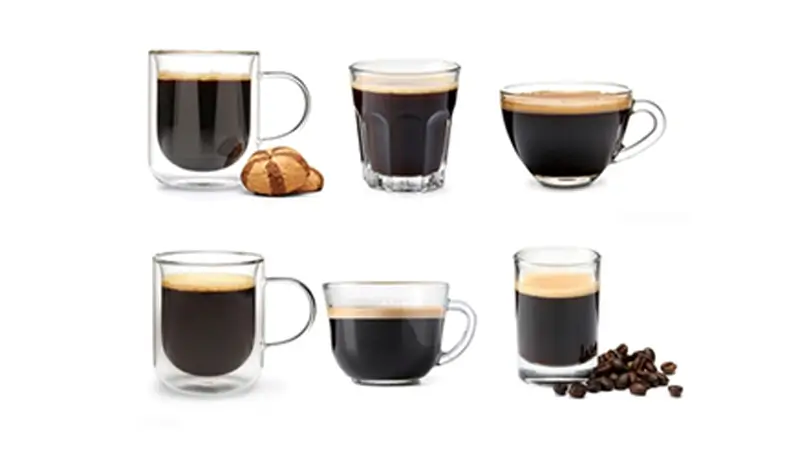
Yes, you can brew hot coffee directly into glass, as long as it is made from borosilicate or tempered glass designed to withstand high temperatures and thermal shock. Regular, thin glass may crack or even explode when exposed to boiling water. For added safety, opt for double-walled glass mugs, which are both durable and offer insulation.
Yes, you can put hot coffee in a glass measuring cup, as long as it is made of heat-resistant materials like borosilicate or tempered glass, and you avoid sudden temperature changes. While borosilicate glass is perfect for handling heat, it’s important to avoid using cracked or non-tempered glass, as these can shatter under high temperatures.